
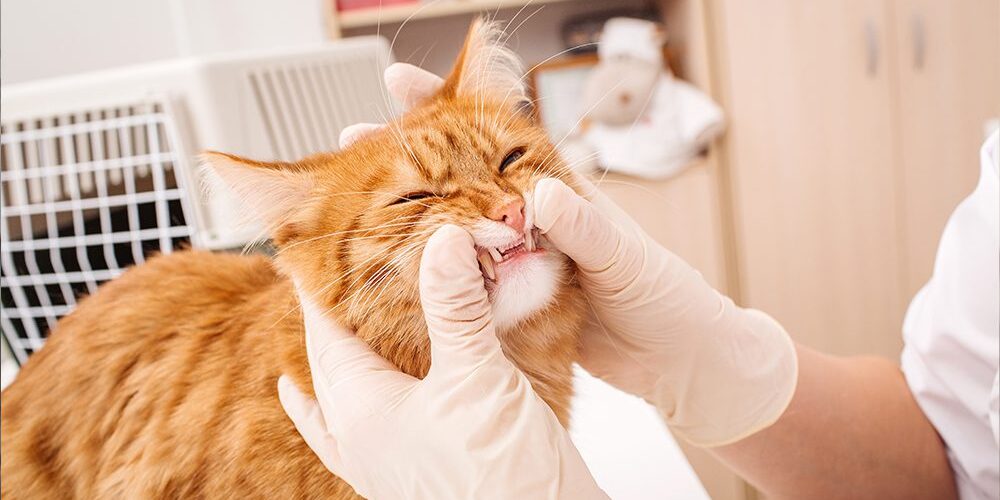
Dental Disease in Pets: Why It Matters More Than Most Pet Owners Realize
Dental disease is one of the most common — and most overlooked — medical conditions affecting pets. By the age of three, the majority of dogs and cats show signs of dental disease, and many exotic pets develop oral issues that go unnoticed until they are advanced.
At PetMed of Key West, we see firsthand how oral health impacts far more than just teeth. Dental disease affects comfort, nutrition, behavior, and even internal organs.
What Is Dental Disease?
Dental disease begins with plaque and tartar buildup, leading to gingivitis and, over time, periodontal disease. As infection progresses, it can cause:
- Chronic pain
- Tooth loss
- Jaw bone damage
- Bacterial spread affecting the heart, kidneys, and liver
Because pets instinctively hide pain, dental disease often advances silently.
Why Dental Disease Is So Often Missed
- Pets continue eating despite pain
- Bad breath is normalized
- Red gums and tartar aren’t always visible without an exam
- Behavioral changes are subtle
Routine veterinary exams — and dental evaluations under anesthesia when needed — are often the only way to truly assess oral health.
Dental Care Is Preventive Care
Addressing dental disease early:
- Improves comfort and quality of life
- Reduces systemic inflammation
- Prevents costly emergency procedures later
- Supports overall longevity
Dental care isn’t cosmetic — it’s medical.
FAQs – Dental Disease in Pets
Is dental disease painful for pets?
Yes. Dental disease causes chronic pain, even when pets continue to eat or act normally.
How common is dental disease?
Very common. Most pets show signs by age three.
Can dental disease affect overall health?
Yes. Oral bacteria and inflammation can impact other organs over time.
PetMed of Key West proudly serves Dubuque, Asbury, Peosta, Epworth, Dyersville, Farley, and surrounding communities.
Dental Disease in Pets: Why It Matters More Than Most Pet Owners Realize
Dental disease is one of the most common — and most overlooked — medical conditions affecting pets. By the age of three, the majority of dogs and cats show signs of dental disease, and many exotic pets develop oral issues that go unnoticed until they are advanced.
At PetMed of Key West, we see firsthand how oral health impacts far more than just teeth. Dental disease affects comfort, nutrition, behavior, and even internal organs.
What Is Dental Disease?
Dental disease begins with plaque and tartar buildup, leading to gingivitis and, over time, periodontal disease. As infection progresses, it can cause:
- Chronic pain
- Tooth loss
- Jaw bone damage
- Bacterial spread affecting the heart, kidneys, and liver
Because pets instinctively hide pain, dental disease often advances silently.
Why Dental Disease Is So Often Missed
- Pets continue eating despite pain
- Bad breath is normalized
- Red gums and tartar aren’t always visible without an exam
- Behavioral changes are subtle
Routine veterinary exams — and dental evaluations under anesthesia when needed — are often the only way to truly assess oral health.
Dental Care Is Preventive Care
Addressing dental disease early:
- Improves comfort and quality of life
- Reduces systemic inflammation
- Prevents costly emergency procedures later
- Supports overall longevity
Dental care isn’t cosmetic — it’s medical.
Learn More by Species
Dental Disease in Dogs
Dental Disease in Cats
Dental Disease in Exotic Pets
FAQs – Dental Disease in Pets
Is dental disease painful for pets?
Yes. Dental disease causes chronic pain, even when pets continue to eat or act normally.
How common is dental disease?
Very common. Most pets show signs by age three.
Can dental disease affect overall health?
Yes. Oral bacteria and inflammation can impact other organs over time.