
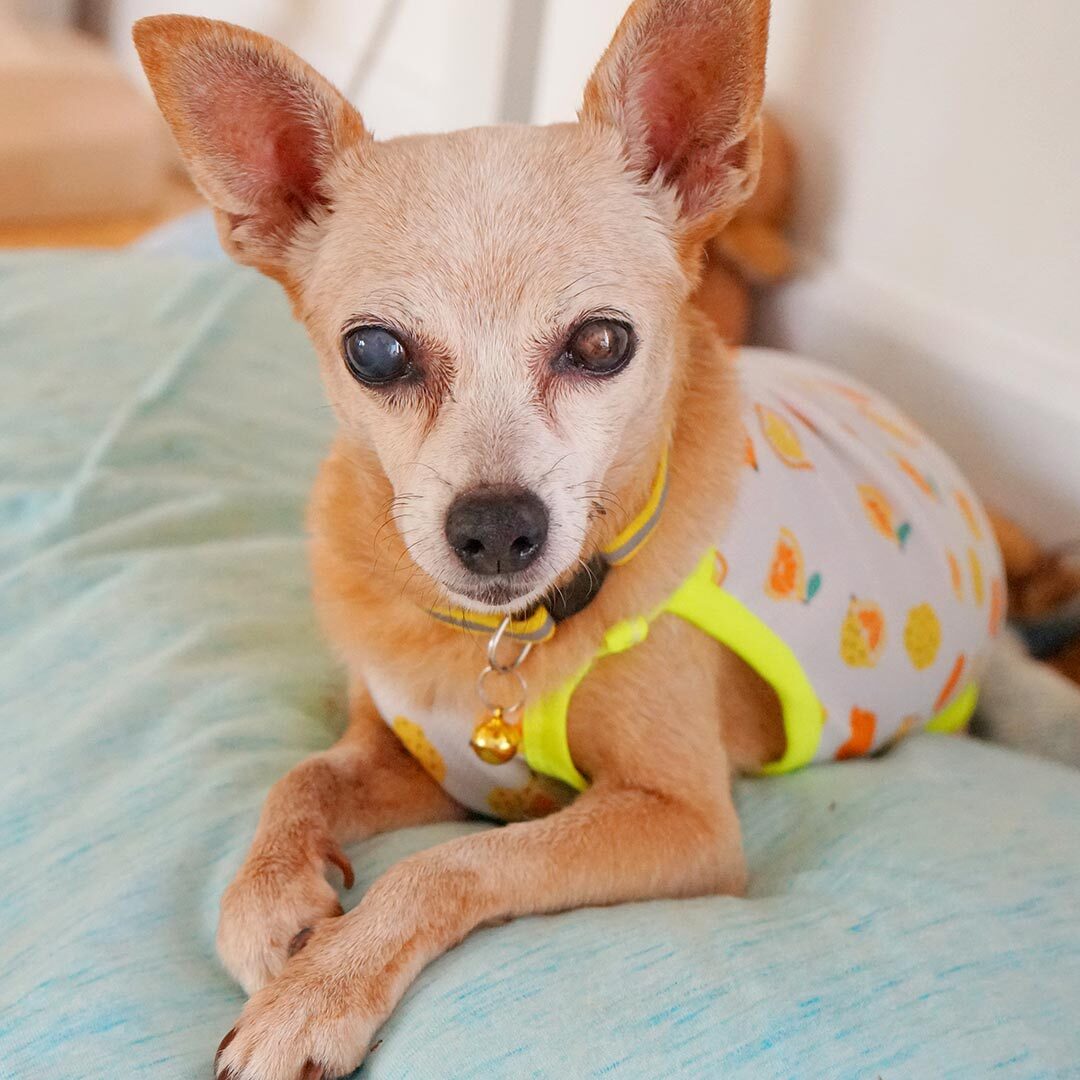
Cat and Dog Post-Surgery Care in Dubuque, IA
After a surgical procedure, the recovery period plays an important role in your pet’s healing. With proper care at home, most pets recover smoothly and return to their normal routines within a short time. Following your veterinarian’s post-operative instructions helps protect the incision site, manage discomfort, and prevent complications.
At PetMed of Key West Veterinary Clinic, our animal hospital provides clear guidance for cat and dog post-surgery care so you feel prepared to support your pet at home. Whether your pet has undergone spay or neuter surgery, dental extractions, or another procedure, our veterinary team is here to answer questions and help ensure a safe recovery.
What to Expect After Your Pet’s Surgery
Many pets are sleepy or slightly unsteady during the first several hours after anesthesia. These temporary effects are normal and usually improve within the first day.
Common post-surgical changes may include:
- Sleepiness or grogginess
- Mild decrease in appetite
- Slight swelling around the incision
- Temporary wobbliness or confusion
These symptoms generally improve as anesthesia leaves your pet’s system. If your pet seems unusually uncomfortable or symptoms persist longer than expected, contact our animal hospital for guidance.
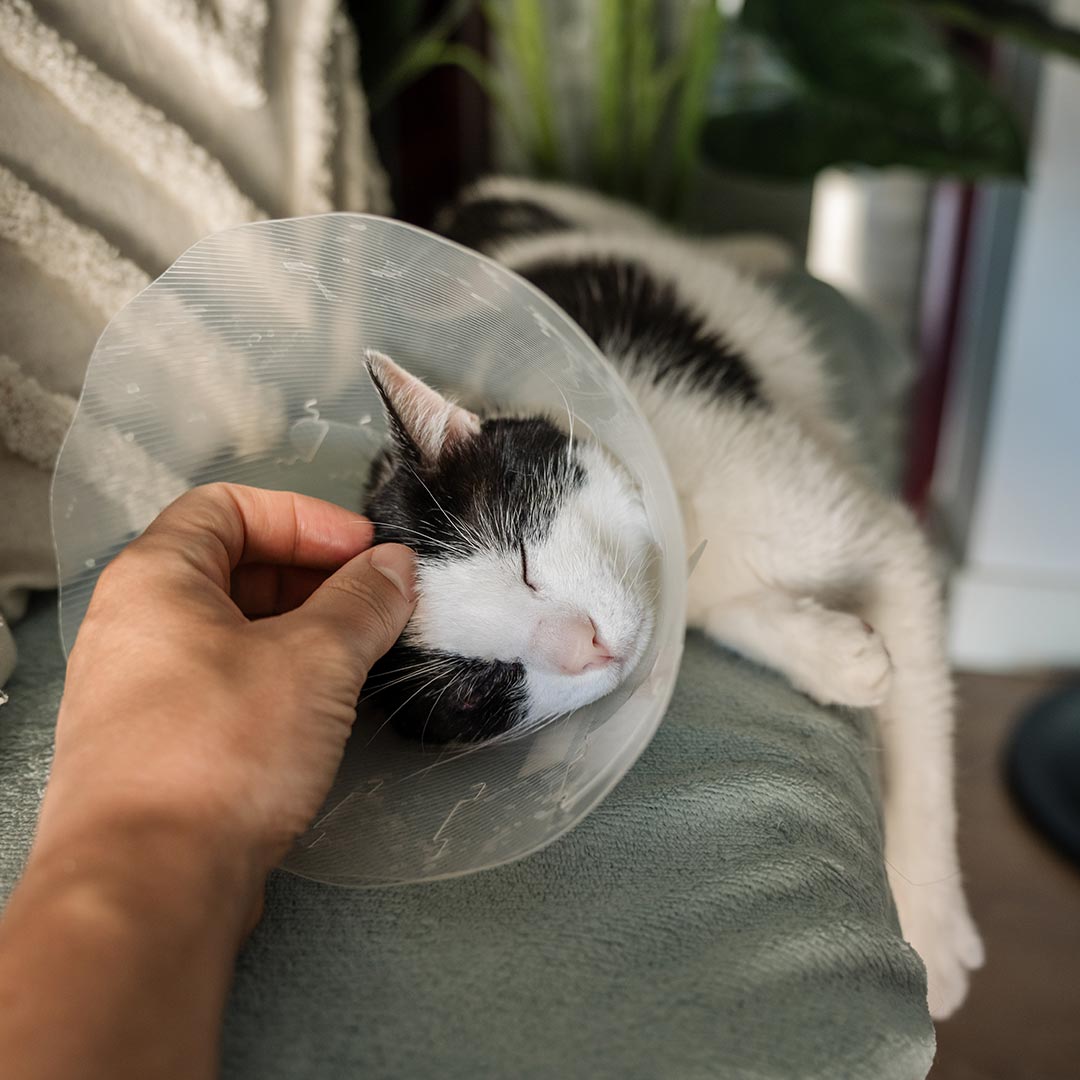
Activity Restrictions During Recovery
Activity restriction is a key part of cat and dog post-surgery care. Too much movement can place strain on the incision and delay healing.
For approximately 10–14 days, pets should avoid:
- Running or jumping
- Rough play with other animals
- Excessive stair climbing
- Swimming or bathing
Dogs should be taken outside on a leash for bathroom breaks, and cats should remain indoors until your veterinarian confirms healing is complete.
Monitoring Your Pet’s Surgical Incision
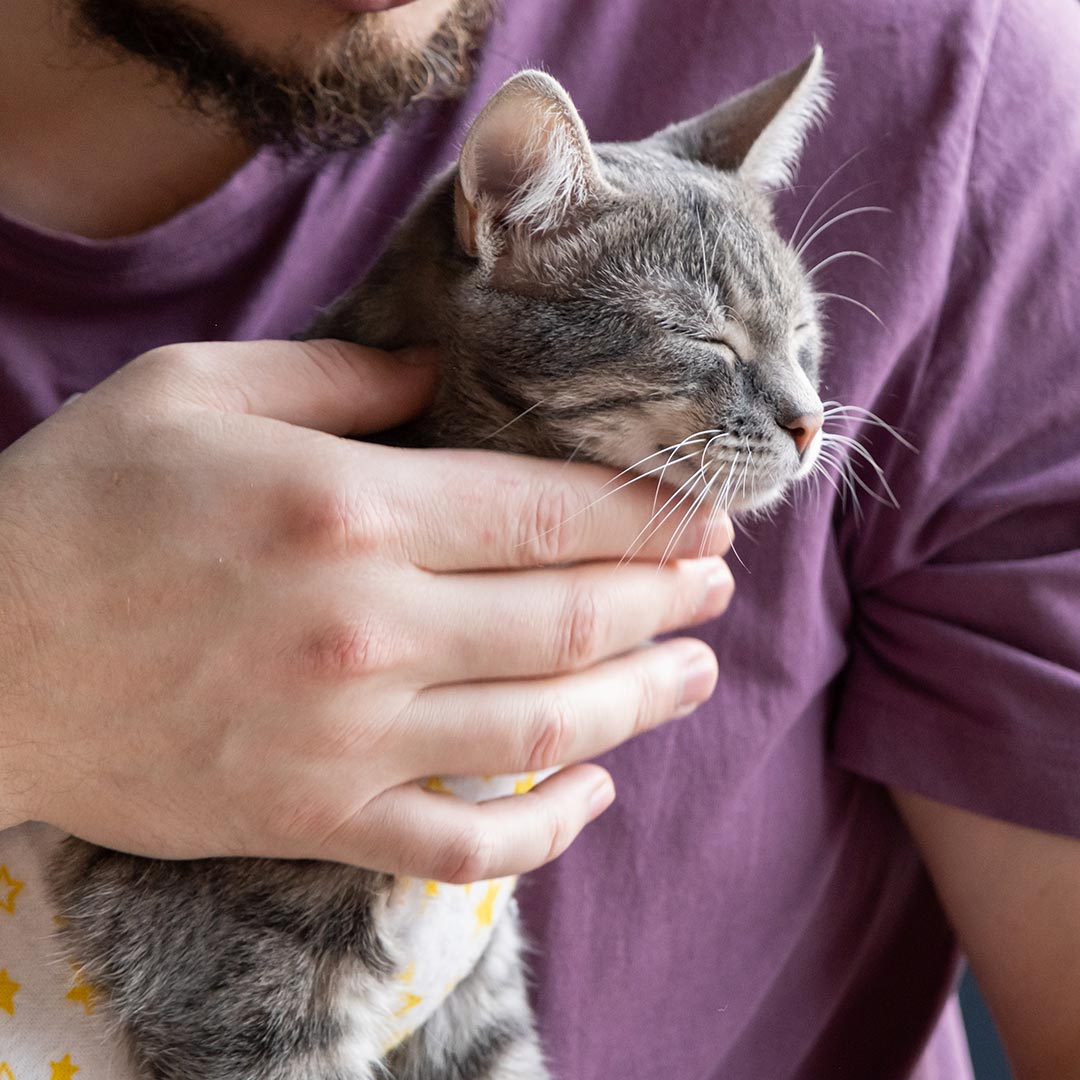
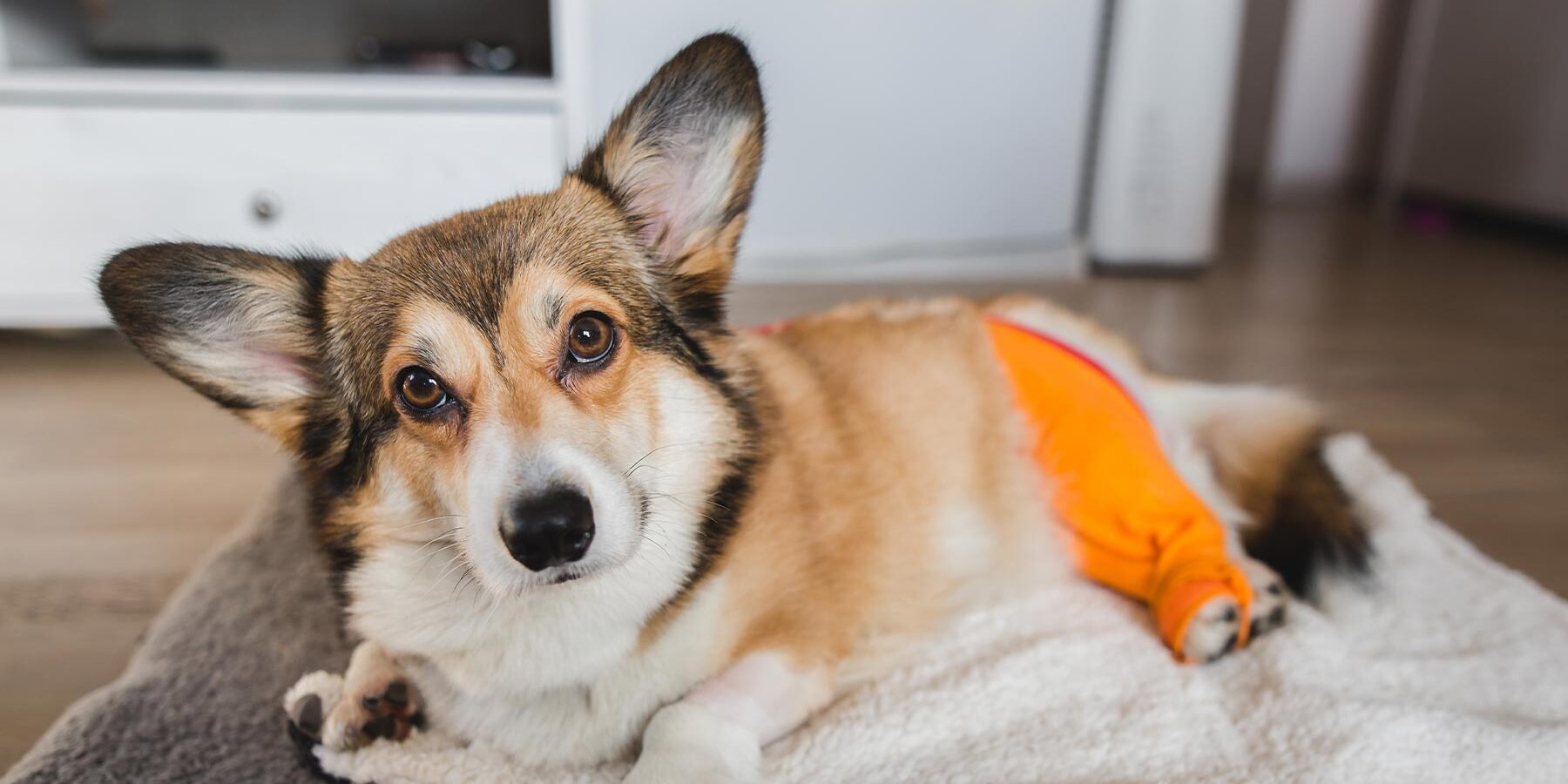
Examine your pet’s incision twice daily throughout the recovery period. Normal healing signs include:
- Mild swelling
- Light pink edges around the incision
- Small scab formation
Contact your veterinarian if you notice:
- Increased redness or swelling
- Pus or discharge
- Bleeding that does not stop
- A foul odor or opening of the incision
Prompt veterinary attention helps prevent infection and supports proper healing.
Post-Surgical Rechecks and Follow-Up Care
Some surgical procedures require follow-up visits to confirm proper healing. Your pet’s veterinarian may recommend:
- Incision recheck appointment
- Removal of sutures or staples
- Progress evaluations to monitor recovery
These visits allow our veterinary team to ensure your pet’s healing process stays on track.
Supporting Your Pet’s Recovery in Dubuque
At PetMed of Key West Veterinary Clinic, we are committed to providing thoughtful surgical care and ongoing support for pets throughout Dubuque and nearby communities. Our team is always available to answer questions and help guide you through the recovery process.
If your pet recently had surgery or needs a post-operative exam, call our animal hospital at (563) 583-8387 today to schedule a follow up appointment. Our veterinarians are here to help your pet recover comfortably and safely.