Expert Thyroid Care for Pets in Dubuque, IA
A thyroid diagnosis can catch you off guard. One day your pet seems a little off such as losing weight or slowing down, and the next, you’re navigating unfamiliar terms like hyperthyroidism or hypothyroidism. You don’t have to figure it out alone.
At PetMed of Key West Veterinary Clinic, we provide expert thyroid care for pets in Dubuque, IA with a steady, thoughtful approach. We take the time to explain what’s happening, outline your options, and build a plan that works for your pet and your lifestyle.
How Do Thyroid Conditions Affect Pets?
Thyroid disorders affect how your pet’s body regulates metabolism, energy, and organ function.
Hyperthyroidism, most common in cats, may cause:
- Weight loss despite a strong appetite
- Increased thirst and urination
- Restlessness or hyperactivity
- Vomiting or diarrhea
- Elevated heart rate
Hypothyroidism, more often seen in dogs, can lead to:
- Weight gain without increased eating
- Low energy or sluggish behavior
- Hair thinning or dry, flaky skin
- Sensitivity to cold
- Slower heart rate
If you notice these changes, a prompt visit to our animal hospital allows for early diagnosis and more effective management.

When Should You Schedule a Follow-Up?
Even with a stable plan, changes can happen. Contact your veterinarian if you notice:
- Sudden weight changes
- Vomiting, diarrhea, or appetite loss
- Lethargy or unusual restlessness
- Skin or coat changes
- Breathing concerns or behavior shifts
Quick adjustments can make a meaningful difference in your pet’s comfort and long-term health.

Long-Term Thyroid Care, Done Right
Managing a thyroid condition is a long-term commitment, but it doesn’t have to feel overwhelming. With the right guidance, most pets live full, comfortable lives.
At PetMed of Key West Veterinary Clinic, we focus on:
- Regular lab monitoring
- Early detection of changes
- Ongoing communication so you always know what’s next
- Clear, consistent medication routines
No guesswork. No shortcuts. Just steady, reliable care.
Why Pet Owners in Dubuque Choose Us
We’re proud to be a locally owned animal hospital, not affiliated with a corporate veterinary group. That means every recommendation is based on what’s best for your pet, not a quota or protocol. Not corporate. Not rushed. Just care focused on what’s best for your pet.
Here’s what that looks like in practice:
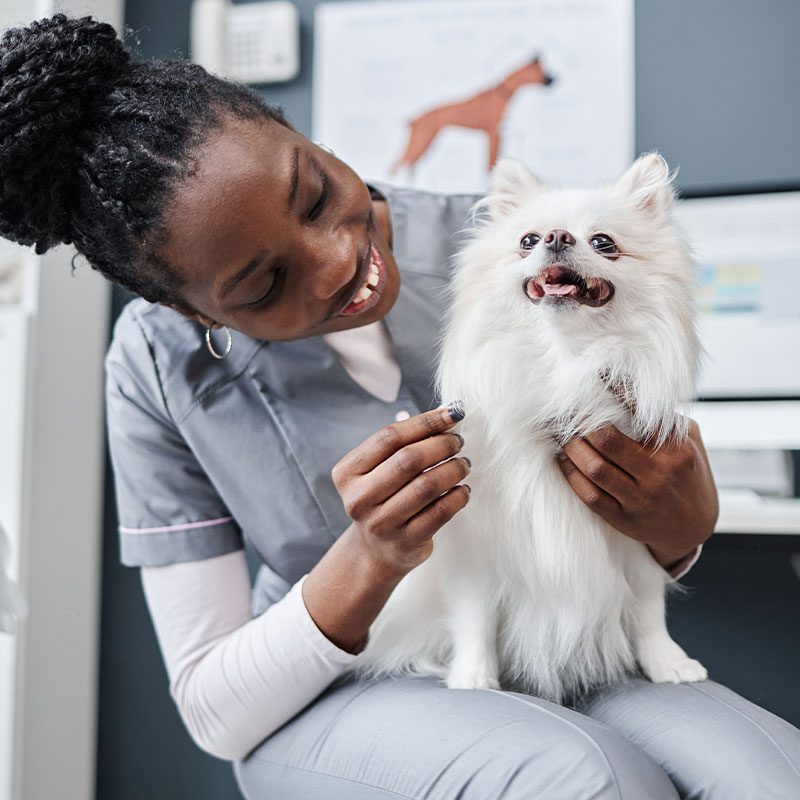
We care deeply — because your pet is family

Clear pricing — so you know exactly what to expect

No surprises — honest communication at every step

No shortcuts — thorough, thoughtful medicine
We’re not here for “cheap guesswork care.” We’re here to do it right.
When to Schedule Thyroid Care for Your Pet
If your pet has been diagnosed with a thyroid condition or you’ve started to notice changes, our team at PetMed of Key West Veterinary Clinic is here to help.
Call today at (563) 583-8387 to speak with a member of our team or schedule an appointment at our Dubuque animal hospital. We care. We’re honest, transparent, and do it right the first time.