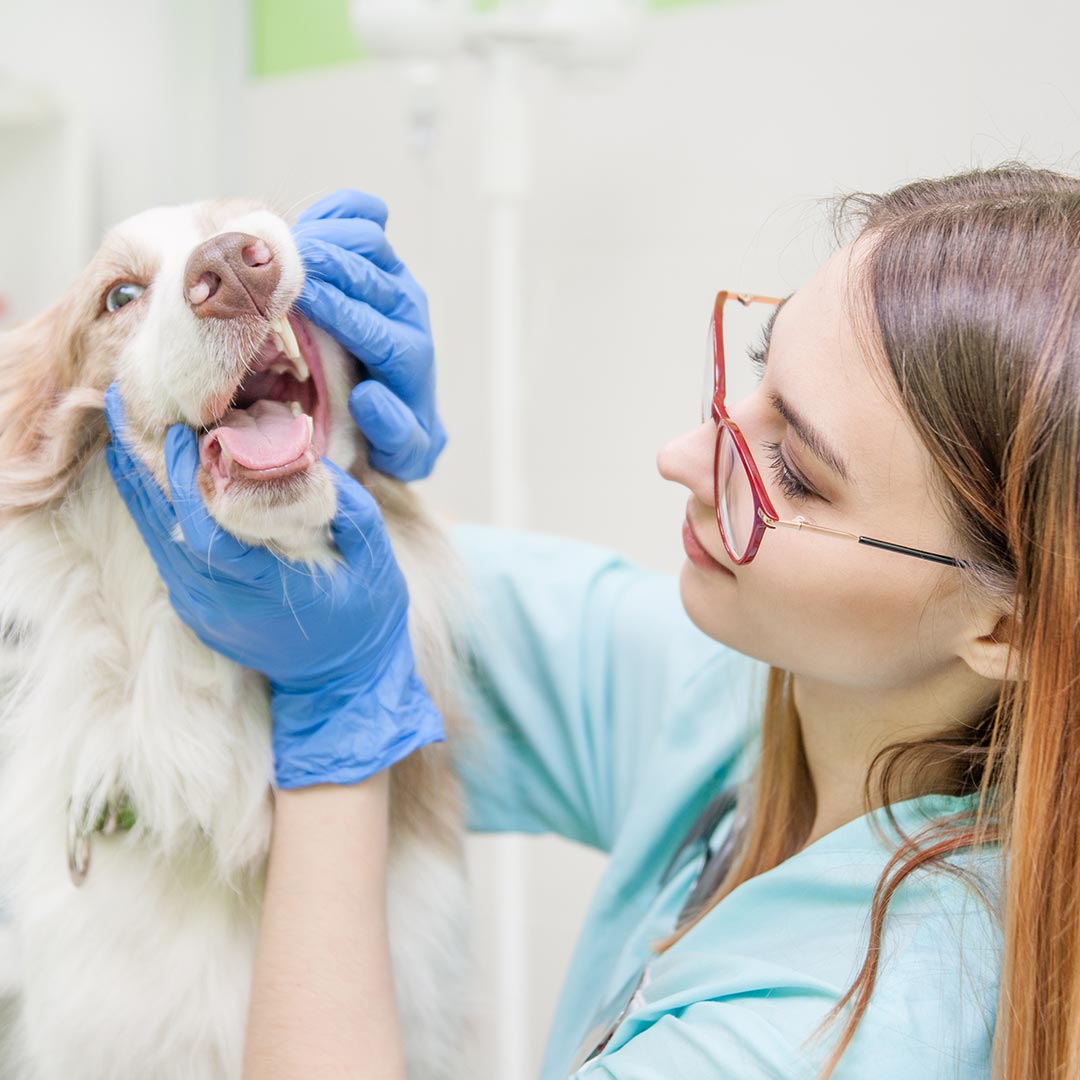
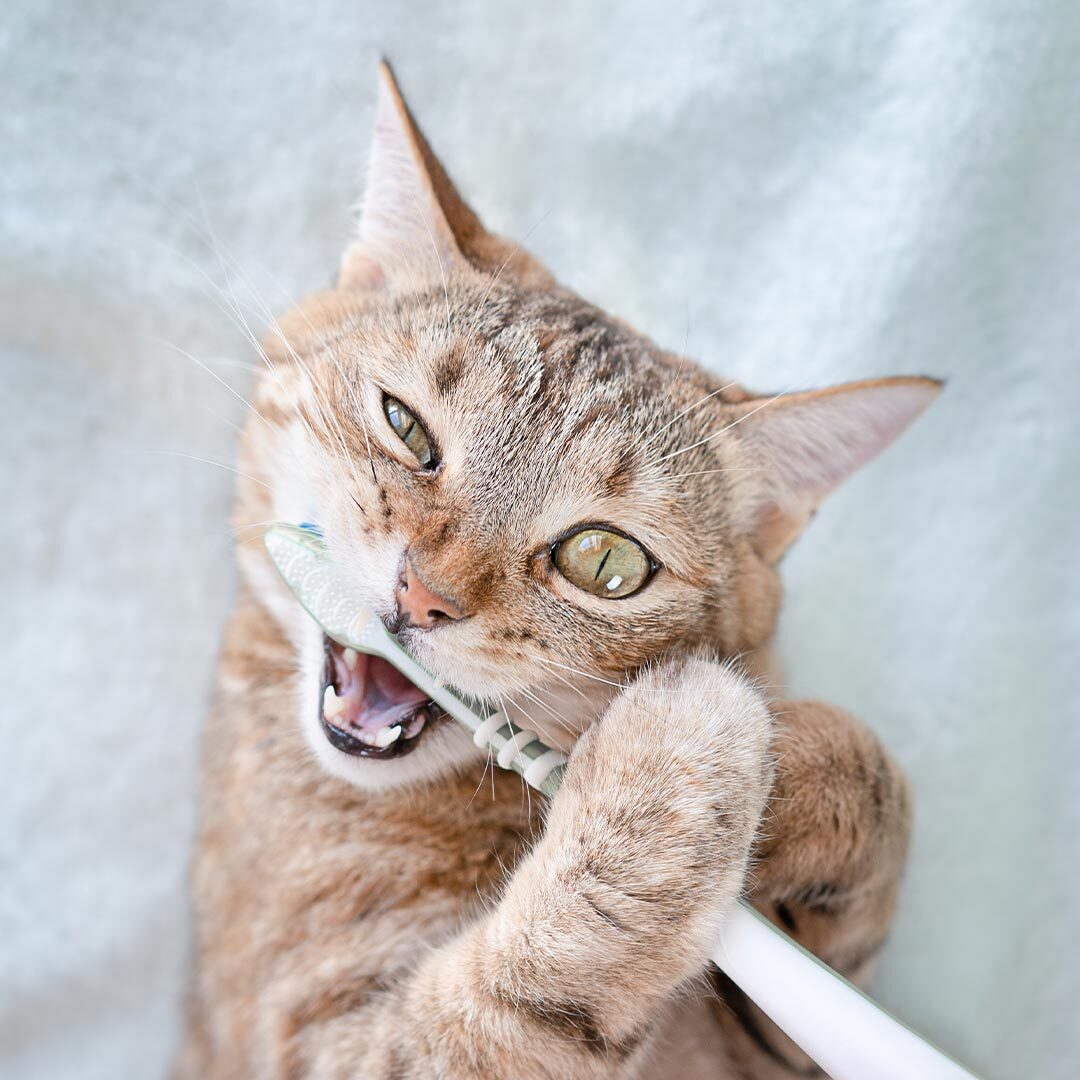
Cat & Dog Post Dental Cleaning Care and Tips in Dubuque, IA
Professional dental cleanings help protect your pet’s health by removing plaque and tartar that can lead to periodontal disease and other medical concerns. After a dental procedure, proper recovery care plays an important role in helping your pet heal comfortably and maintain healthy teeth and gums. At PetMed of Key West Veterinary Clinic, our team provides guidance for professional pet dental aftercare so pet owners in Dubuque feel confident supporting their pet’s recovery at home.
The First 24 Hours After Your Pet’s Dental Cleaning
Most cats and dogs recover smoothly after anesthesia and a professional dental cleaning performed by a veterinarian. It is normal to notice a few temporary changes during the first day following the procedure. Common post-dental signs may include:
- Mild grogginess or sleepiness for the rest of the day
- A temporary decrease in appetite
- Slight gum sensitivity
- Light blood-tinged saliva the evening after the procedure
In many cases, pets return to their usual routines by the following day. If your pet had tooth extractions, the healing period may take a little longer while the gum tissue recovers.
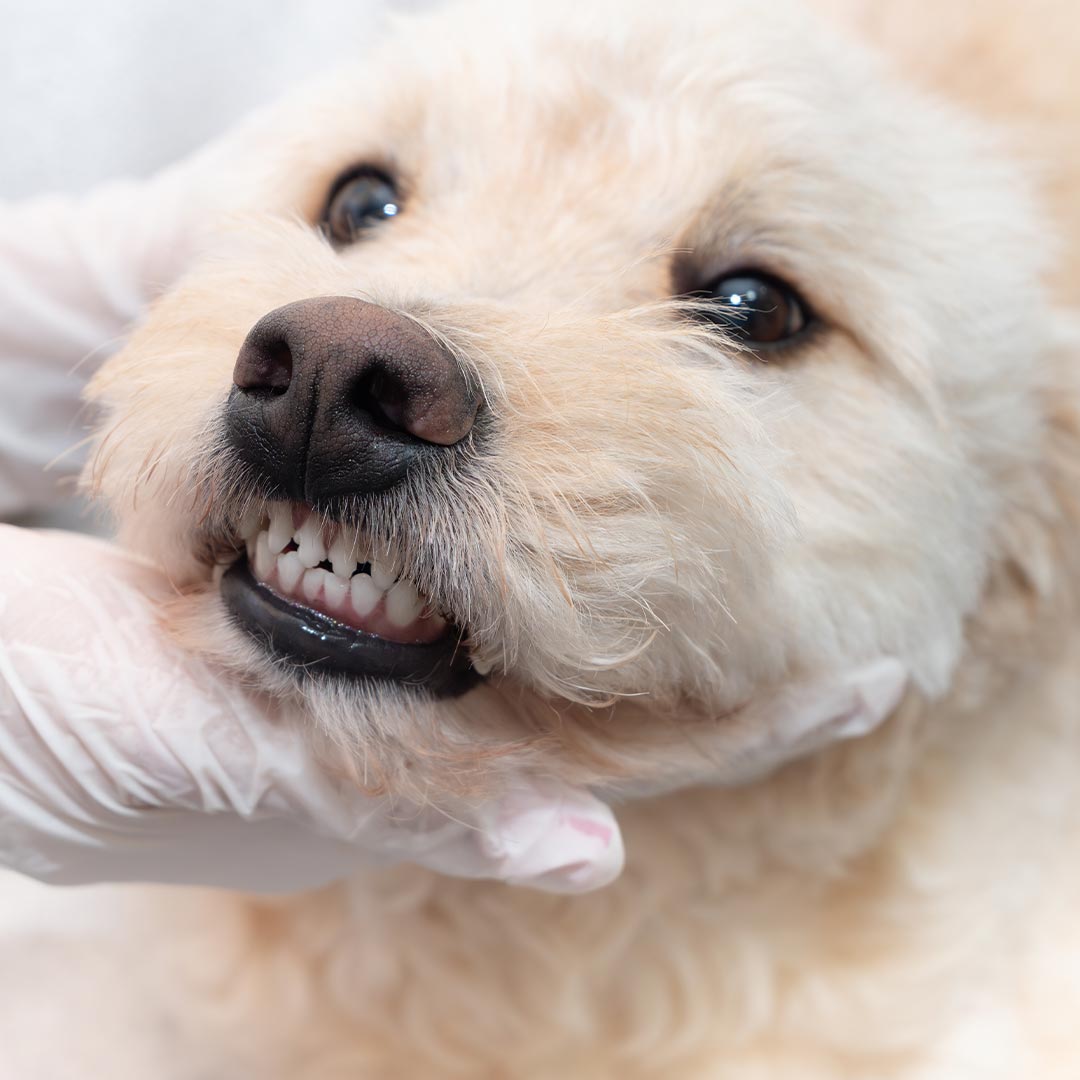
Tips for Brushing Your Pet’s Teeth at Home
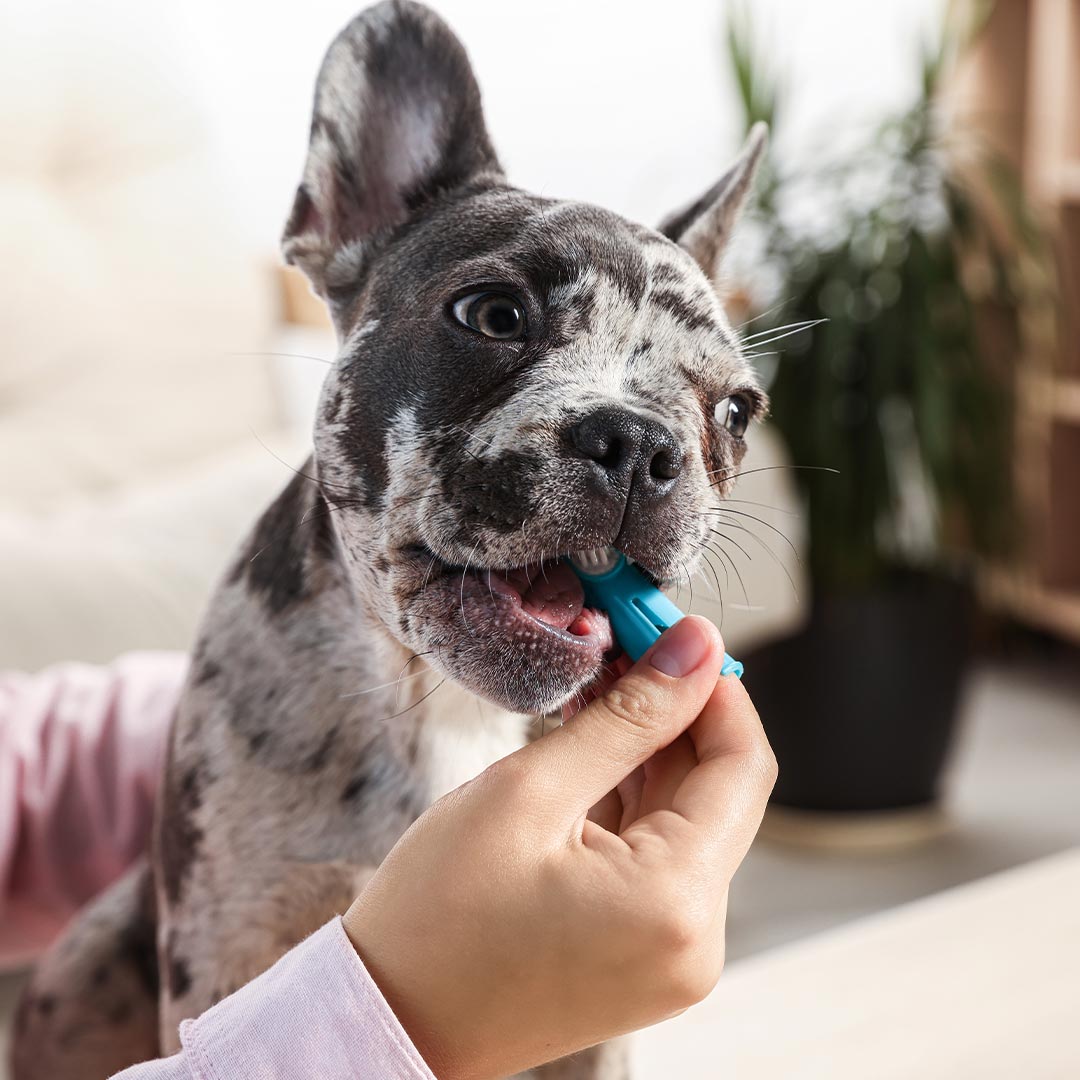
Regular tooth brushing is one of the most effective ways to maintain your pet’s oral health between visits to the veterinarian. Helpful brushing tips include:
- Use veterinary-approved pet toothpaste (never human toothpaste)
- Choose a soft pet toothbrush or finger brush
- Gently lift the lip rather than forcing the mouth open
- Begin with short brushing sessions and reward your pet afterward
Daily brushing provides the best results, although brushing several times each week still supports healthy teeth and gums.
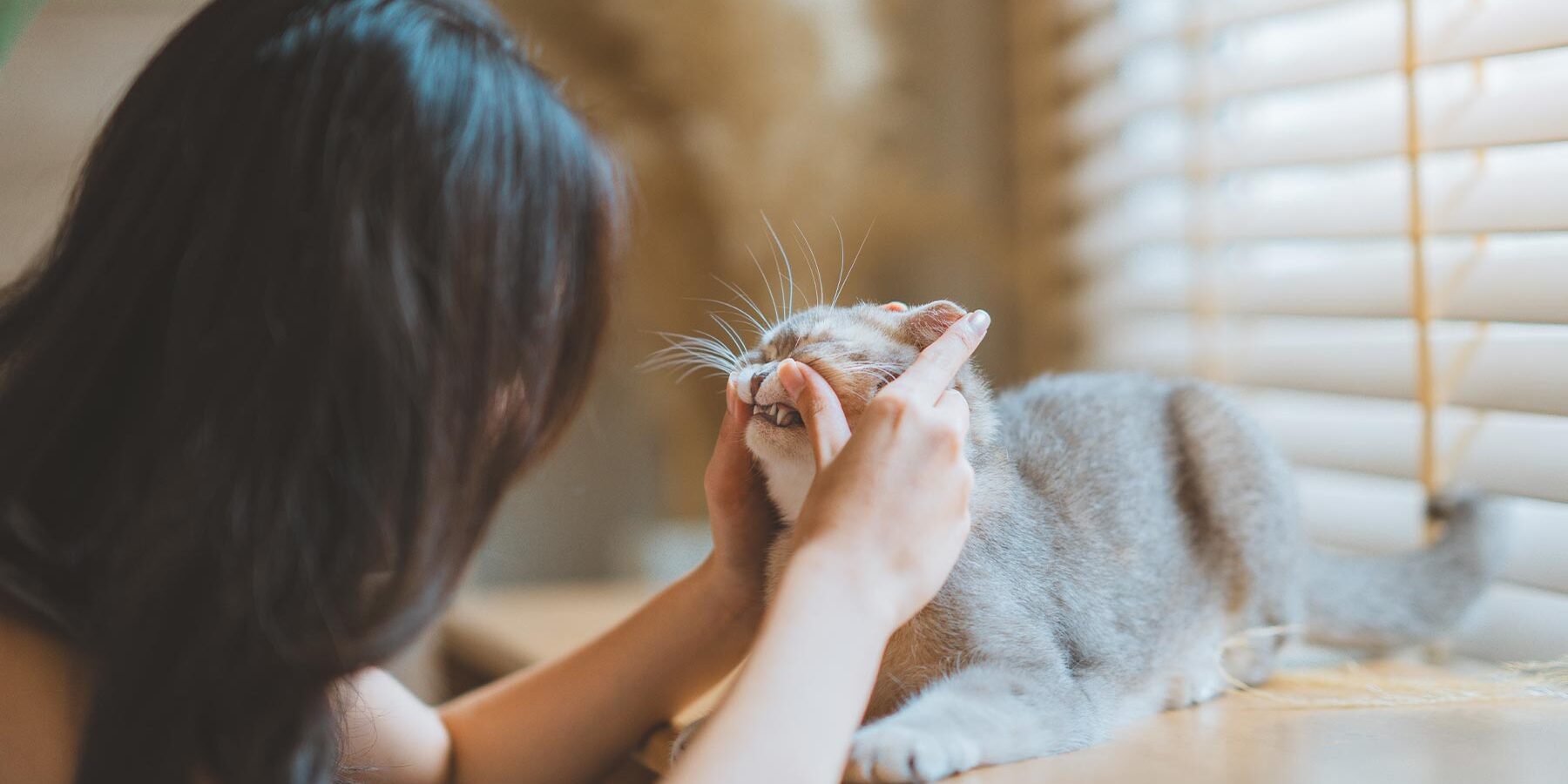
Additional Ways to Support Dental Health
Your veterinarian may recommend additional tools to maintain your pet’s oral health after a professional dental cleaning. These options may include veterinary-approved dental chews, dental diets designed to reduce plaque buildup, oral rinses or water additives, or dental checks during routine wellness visits. These tools help slow plaque accumulation and extend the benefits of professional dental care.
Support Your Pet’s Dental Health in Dubuque
At PetMed of Key West Veterinary Clinic, we provide thorough dental care and ongoing guidance for professional pet dental aftercare. Our animal hospital works with pet owners throughout Dubuque to help cats and dogs maintain healthy teeth and comfortable smiles.
If your pet recently had a dental cleaning or you have questions about recovery, call (563) 583-8387 to speak with a member of our veterinary team today.