
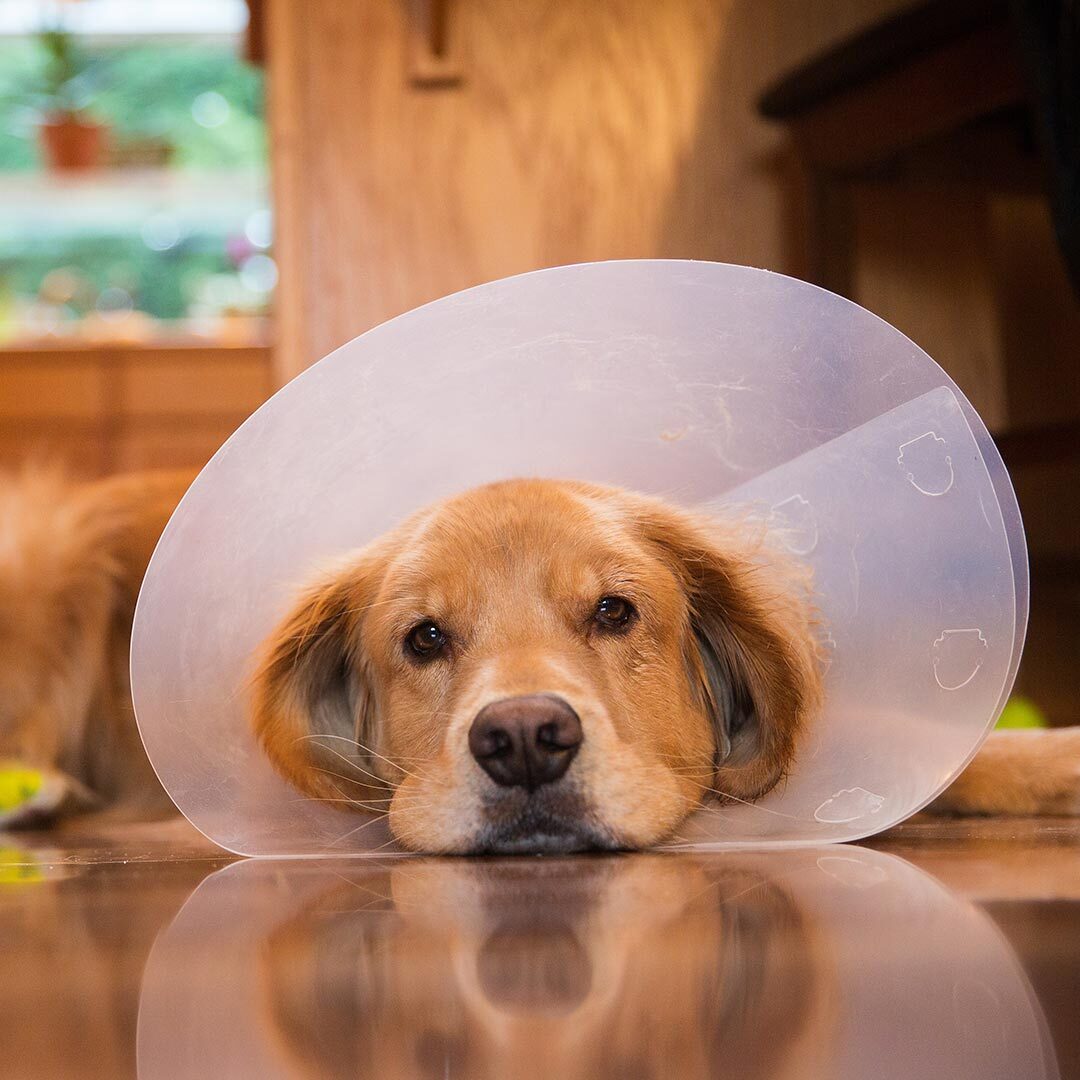
golden retriever wearing plastic cone and lying down at home

Spay & Neuter Aftercare for Dogs and Cats in Dubuque, IA

At PetMed of Key West Veterinary Clinic, we know that excellent surgical care continues long after your pet leaves the operating room. Spay and neuter aftercare plays an important role in protecting your pet’s comfort, healing, and long-term health. Our veterinary team provides clear instructions, structured follow-up, and direct access to our animal hospital so you feel confident every step of the way.

If you have questions about your pet’s recovery, contact us at (563) 583-8387. Our team is ready to help.

What to Expect After Spay or Neuter Surgery

Following anesthesia and spay or neuter surgery in Dubuque, IA, most pets experience mild and temporary changes. You may notice your pet is sleepy, slightly disoriented, or less interested in food the evening of surgery. Mild swelling near the incision and lower energy are also common during the first 24 hours.

These responses are expected and typically improve by the next day. Provide a quiet, temperature-controlled indoor space where your pet can rest comfortably. If you observe extreme lethargy, pale gums, or collapse, contact our team immediately.
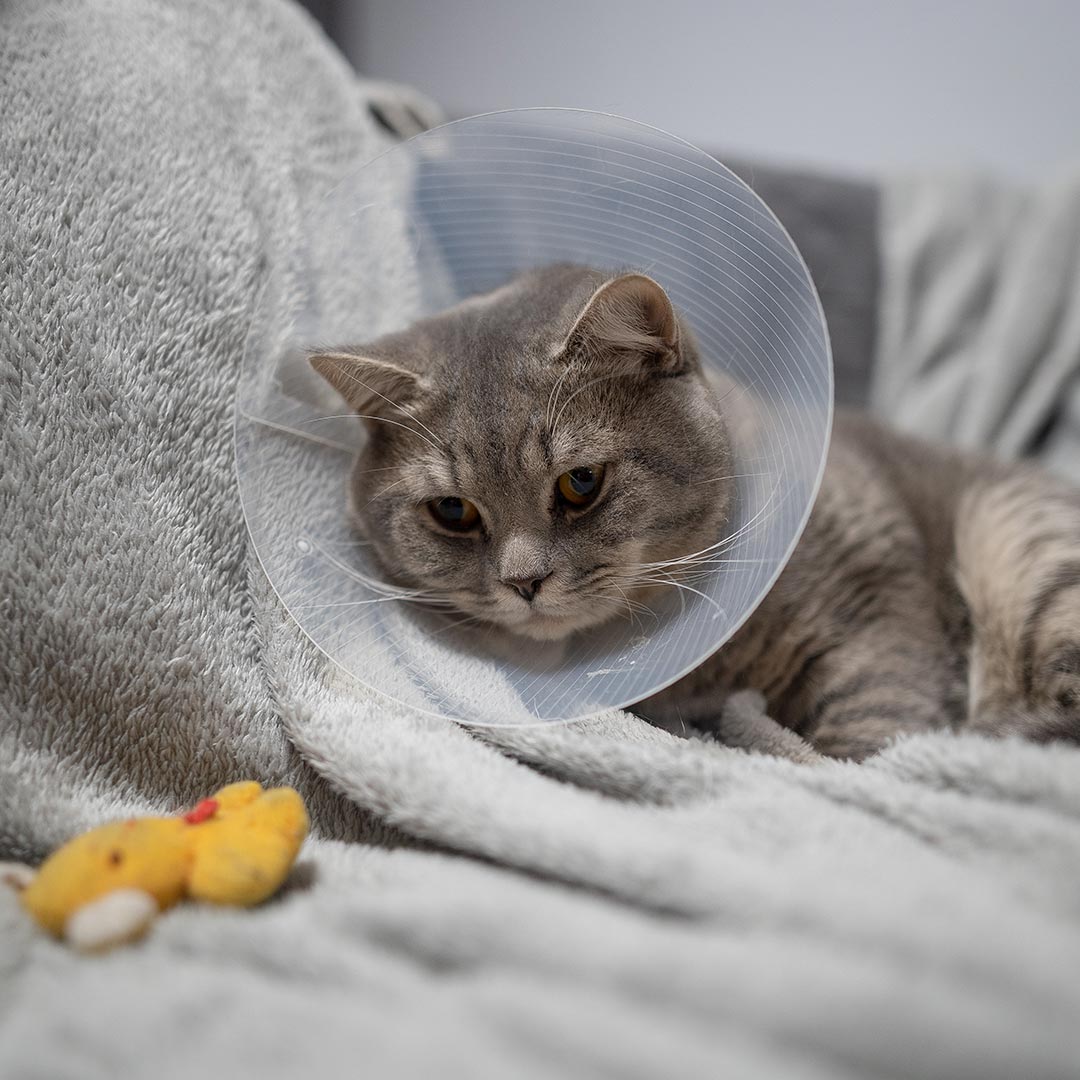
grey striped tabby kitten wearing plastic cone around neck after surgery

Spay & Neuter Aftercare for Cats

Cats often recover calmly, but they still require structured monitoring to prevent complications.

Activity Restriction (10–14 Days)
Incision Monitoring
Prevent Licking and Chewing
Feeding and Litter Box Use
Pain Management and Comfort

Activity Restriction (10–14 Days)

Limit movement to protect internal sutures and reduce swelling. Keep your cat indoors and discourage climbing, jumping, or running. In some cases, confining your cat to a small room or large carrier may help maintain safe activity levels. Excessive motion can contribute to internal bleeding after a spay or scrotal swelling after a neuter. Careful restriction supports steady healing.

Incision Monitoring

Inspect the surgical site twice daily for 10–14 days. A healthy incision typically appears light pink along the edges with mild swelling and possibly a small scab forming as it heals. Contact our animal hospital if you notice:

  • Redness spreading outward
  • Thick yellow, green, or bloody discharge
  • Foul odor
  • Sudden swelling
  • Opening of the incision

Local families trust PetMed of Key West because we encourage early communication and provide structured post-operative check-ins to reduce complications.

Prevent Licking and Chewing

Licking remains the most common cause of incision breakdown and infection. Your cat should wear an E-collar (cone) or a veterinary-approved recovery suit as directed. Even brief grooming of the surgical area can interfere with healing. Keeping protective equipment in place for the full recovery period is an essential part of proper spay and neuter aftercare.

Feeding and Litter Box Use

Offer a small meal the evening of surgery. If appetite returns, resume normal feeding the following day. Always provide fresh water. Because spaying and neutering may lower metabolism, we may recommend nutritional adjustments during recovery.

Our team serving Dubuque and surrounding communities can guide you through appropriate feeding strategies. Most cats resume litter box use within 24 hours. Call our animal hospital if your cat has not urinated within a day, strains repeatedly, or does not produce stool within 48 hours.

Pain Management and Comfort

We use a numbing block as well as injectable pre-surgical pain meds and post-surgical pain meds (to go home) to make sure every pet is as comfortable is possible.

Spay & Neuter Aftercare for Dogs

Dogs often feel ready to return to normal activity quickly, but internal healing takes time.

Activity Restriction (10–14 Days)
Incision Assessment
Pain Management and Comfort

Activity Restriction (10–14 Days)

Use leash-only potty breaks and prevent running, jumping, swimming, or rough play. Avoid stairs and furniture when possible. Controlled movement protects the incision and internal sutures. Overexertion increases the risk of wound opening, internal bleeding or herniation.

Careful supervision during recovery supports a smoother outcome.

Incision Assessment

Check your dog’s incision twice daily. Mild swelling or light bruising may occur, but spreading redness, warmth, discharge, or separation require veterinary attention. Contact Pet Med of Key West if you observe:

  • Redness extending beyond incision edges
  • Thick discharge
  • Increasing swelling
  • Heat around the surgical site
  • Wound opening

Do not bathe your dog or allow the incision to become wet for at least 10 days.

Pain Management and Comfort

Your dog may go home with medications tailored to their size and procedure. Administer medications exactly as directed by your veterinarian. Human pain relievers are unsafe for pets and should never be given.

Contact our animal hospital if your dog shows persistent whining, reluctance to move, guarding of the abdomen, or discomfort that does not improve. At PetMed of Key West, we focus on balanced pain control before, during, and after surgery to promote a comfortable recovery.

When to Call Our Dubuque Animal Hospital

Prompt communication protects your pet’s health. Contact us at (563) 583-8387 if your pet develops:

  • Redness spreading past the incision
  • Pus-like discharge
  • Foul odor
  • Wound separation
  • Difficulty urinating or defecating
  • Pain not controlled by prescribed medications

We offer timely evaluations and same-day appointments for urgent concerns. Serving Dubuque and surrounding communities, our team remains accessible when you need guidance.
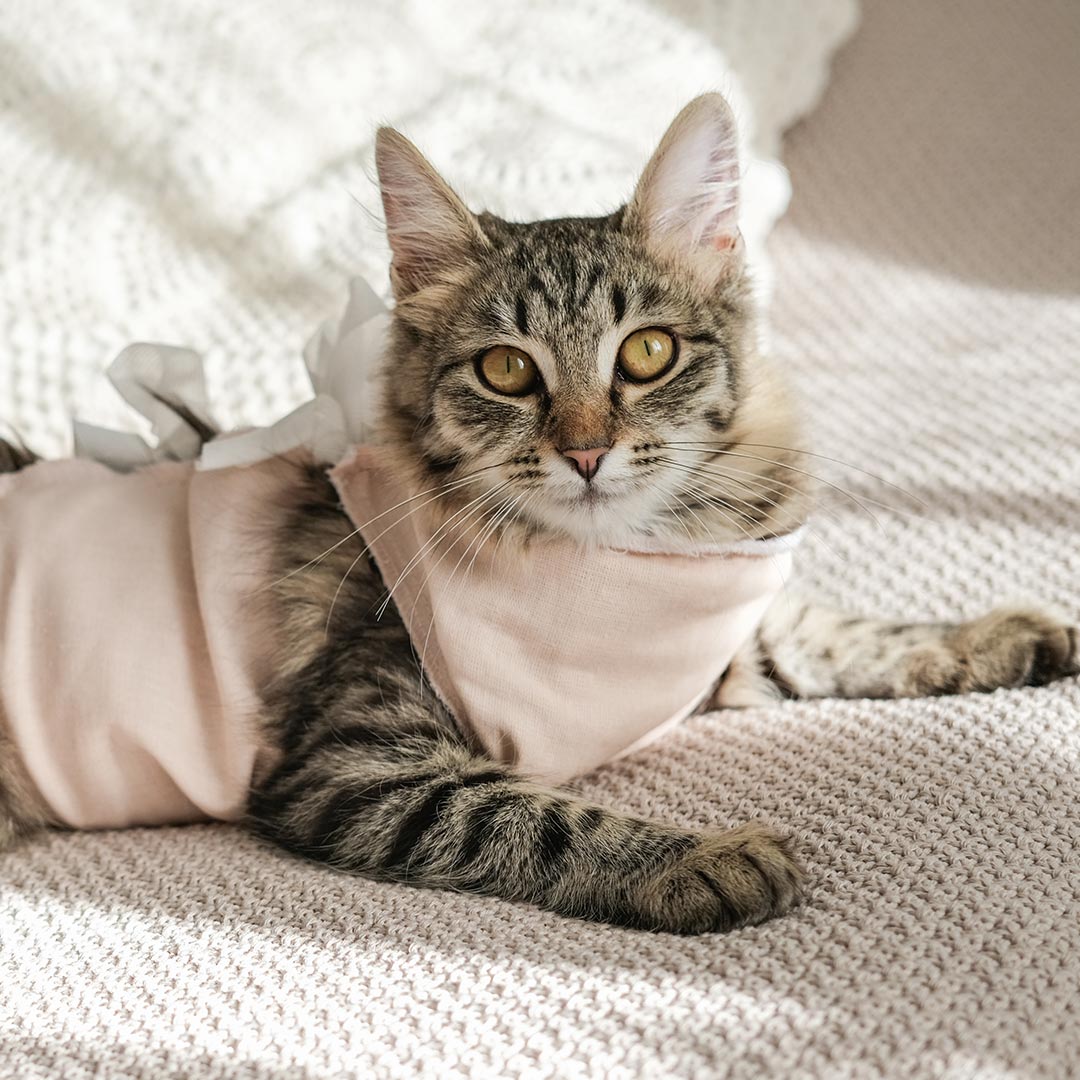
brown striped tabby cat wearing pink recovery suit at home after surgery
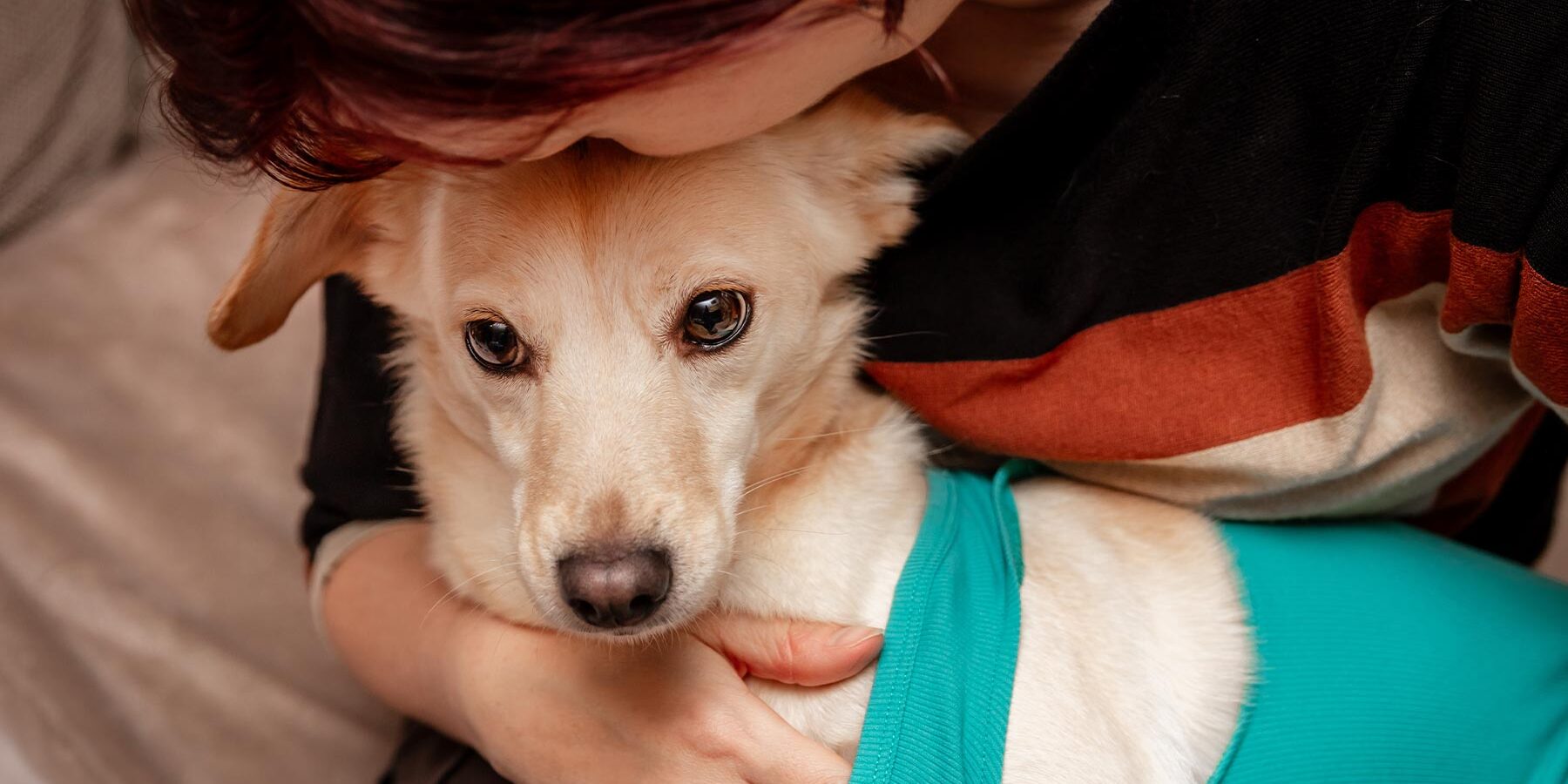
female loving and cuddling dog wearing teal recovery suit at home

Follow-Up Care Is Part of the Process

At PetMed of Key West Veterinary Clinic, we do not consider surgery complete without proper follow-up. Recovery monitoring ensures your pet heals as expected and allows us to address any concerns early. Our post-operative support includes:

  • Incision recheck appointments at 10–14 days
  • Suture removal if needed
  • Recovery progress assessments
  • Nutrition and behavior guidance

Dubuque pet owners rely on our locally owned animal hospital because we stay involved from pre-surgical planning through full recovery.

Why Choose PetMed for Spay & Neuter Aftercare?

Our commitment to surgical excellence continues at home. When you choose PetMed of Key West for veterinary surgery in Dubuque, IA, you receive:

  • Pre-surgical examinations and customized anesthesia plans
  • Advanced surgical techniques
  • Continuous monitoring during procedures
  • Comprehensive pain management
  • Personalized discharge instructions
  • Direct access to our veterinary team

We believe informed pet owners and attentive follow-up lead to better outcomes. From your initial consultation through recovery, our team remains focused on your pet’s safety and comfort.

Schedule a Follow-Up or Speak with Our Team

If your dog or cat recently underwent spay or neuter surgery or if you are preparing for an upcoming procedure, PetMed of Key West Veterinary Clinic is glad to help. Call us at (563) 583-8387. Spay and neuter aftercare plays an important role in your pet’s healing. Our animal hospital in Dubuque, IA is committed to providing attentive veterinary support before, during, and after every surgical procedure.
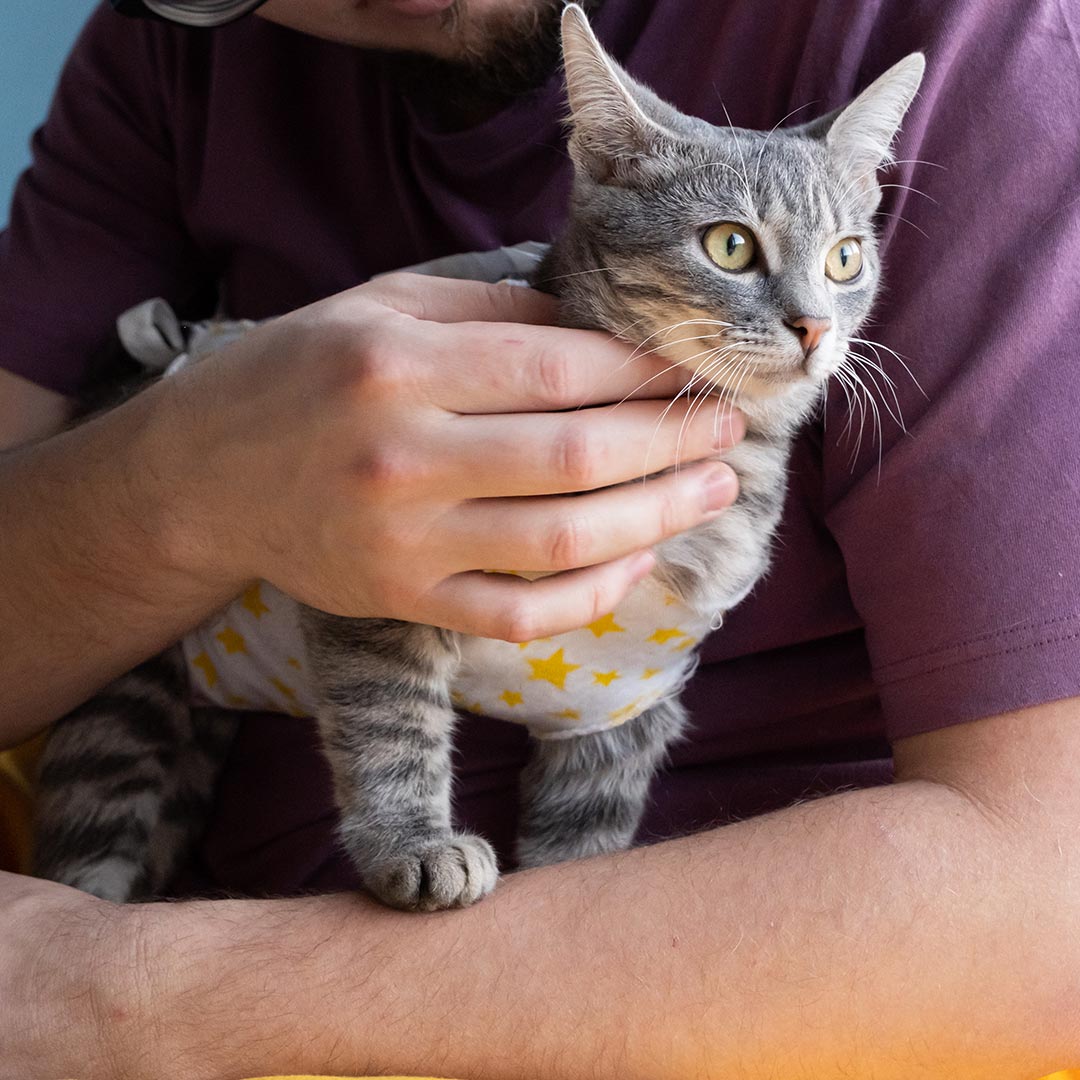
male holding grey striped tabby kitten wearing a recovery suit with yellow star pattern following surgery