
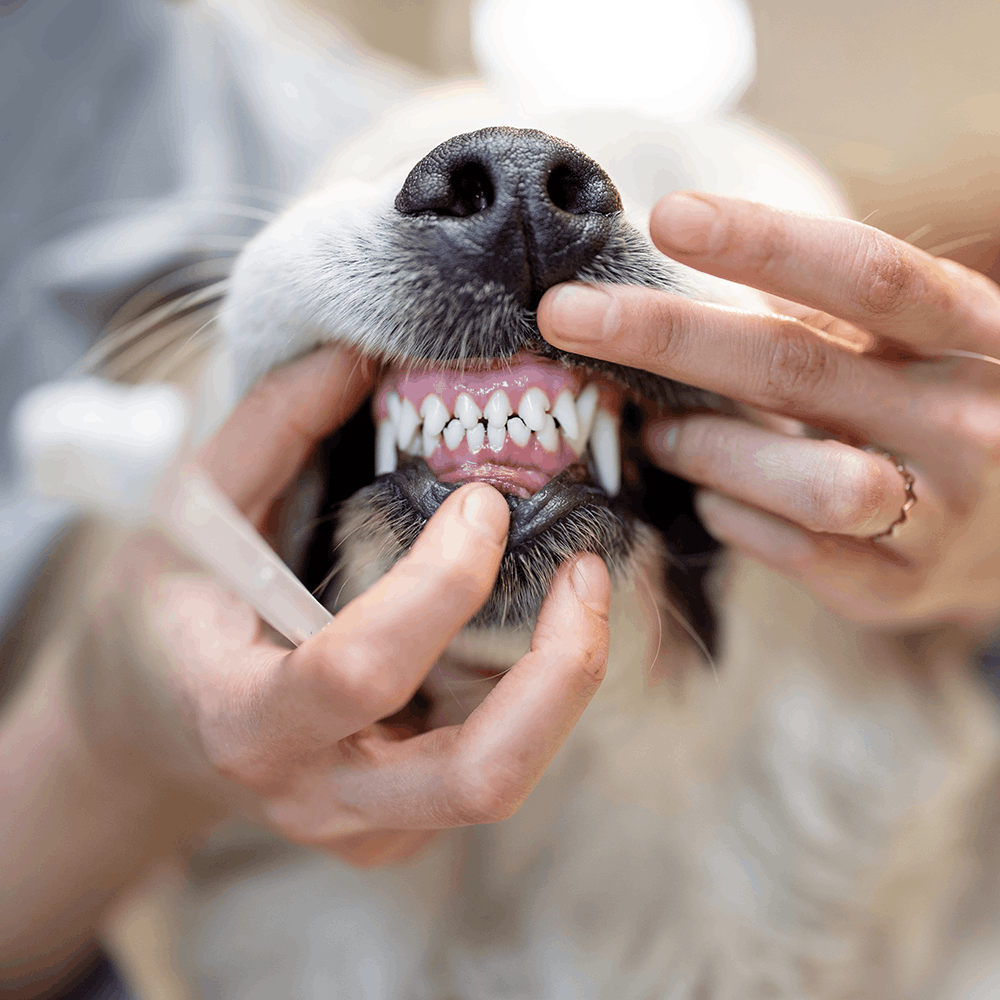
What To Expect If Your Cat or Dog Was Diagnosed with Dental Disease
A dental disease diagnosis can feel surprising, especially if your pet still eats, plays, and acts like themselves. Dogs and cats are very good at pushing through oral discomfort, which means painful dental problems can build quietly before obvious symptoms appear.
At PetMed of Key West Veterinary Clinic, we help pet owners understand what dental disease in pets really means, what treatment may involve, and how we can help your cat or dog feel more comfortable moving forward. We are a locally owned veterinary clinic in Dubuque, IA, and our team believes in honest recommendations, clear communication, and care done right the first time.
Dental Disease Is More Than “Bad Breath”
Bad breath is often the first sign pet owners notice, but dental disease goes much deeper than odor. Dental disease, also called periodontal disease, develops when plaque and bacteria build up around the teeth and gums.
Over time, this buildup can lead to:
- Painful inflammation
- Infection
- Loose teeth
- Tooth root damage
- Bone loss around the teeth
- Difficulty chewing
- Chronic oral discomfort
In more advanced cases, bacteria from the mouth can enter the bloodstream and affect organs such as the heart, liver, and kidneys. That is why we take dental disease seriously, even when a pet seems to be acting normally.
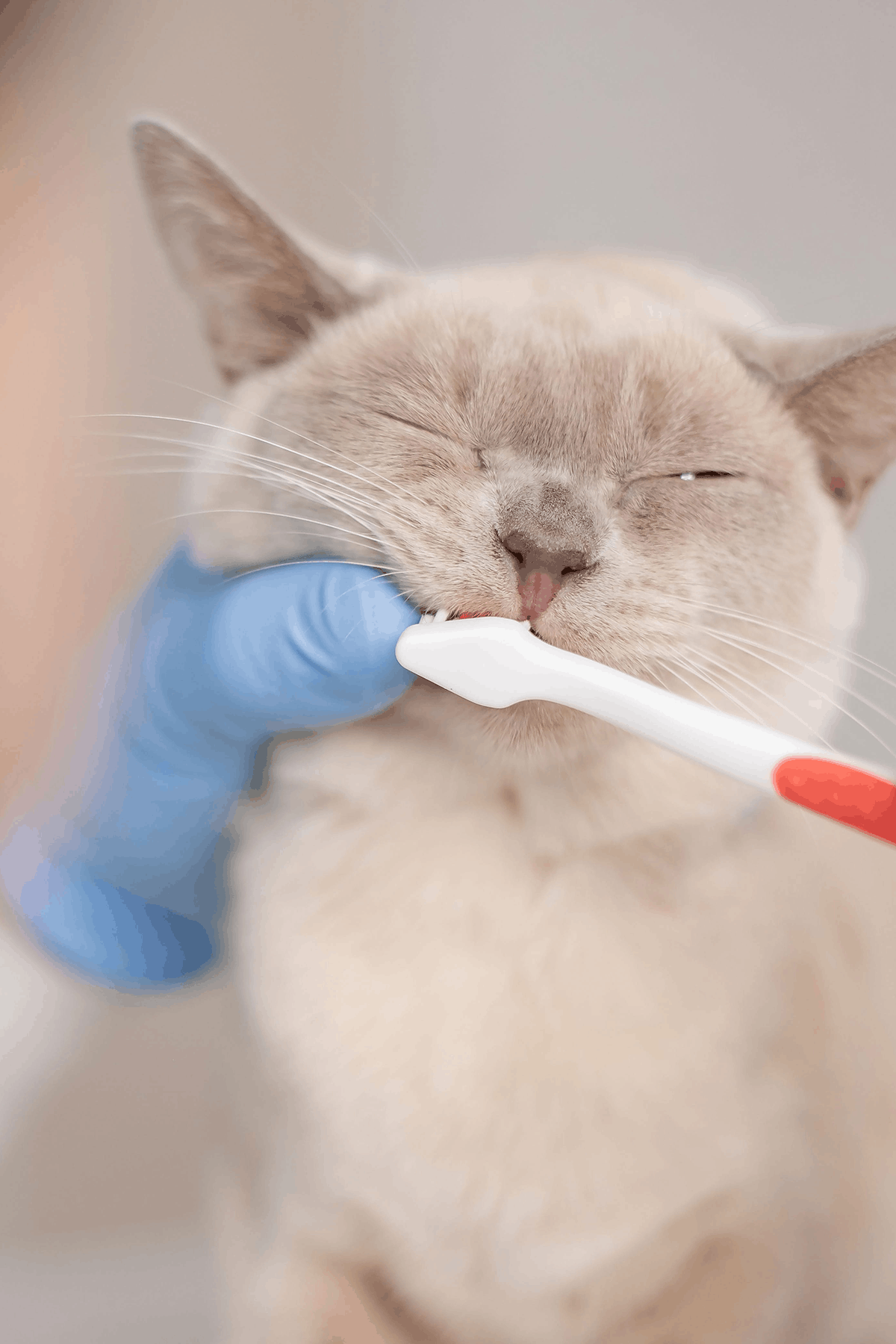

Signs of Dental Disease in Dogs and Cats
Some pets show clear signs of oral pain. Others hide it well. Cats are especially skilled at masking dental discomfort and may continue eating even when severe disease is present.
Common signs of dental disease in pets include:
- Bad breath
- Red, swollen, or bleeding gums
- Yellow or brown tartar buildup
- Dropping food while eating
- Chewing on one side of the mouth
- Pawing at the face
- Avoiding hard treats or toys
- Drooling
- Facial swelling
- Changes in mood, energy, or behavior
Even subtle changes can matter. If your pet seems quieter, less interested in play, or hesitant with food, dental pain may be part of the reason.
What Happens After Your Pet Is Diagnosed
If our veterinarian diagnoses dental disease, the next step is often a professional dental procedure performed under anesthesia. This allows our team to safely evaluate the entire mouth, clean below the gumline, take dental X-rays, and treat painful disease that cannot be fully assessed during an awake exam.
Depending on your pet’s needs, dental treatment may include:
- A complete oral exam
- Professional cleaning above and below the gumline
- Dental polishing
- Full-mouth dental X-rays
- Evaluation of tooth roots and surrounding bone
- Treatment of gum inflammation
- Surgical extraction of painful or severely diseased teeth, if needed
At PetMed of Key West Veterinary Clinic, dental cleanings are treated with the same care and attention as a surgical procedure. Your pet’s comfort and safety are supported with anesthesia monitoring, IV fluids, pain control, and dental X-rays for a clearer, more accurate treatment plan.
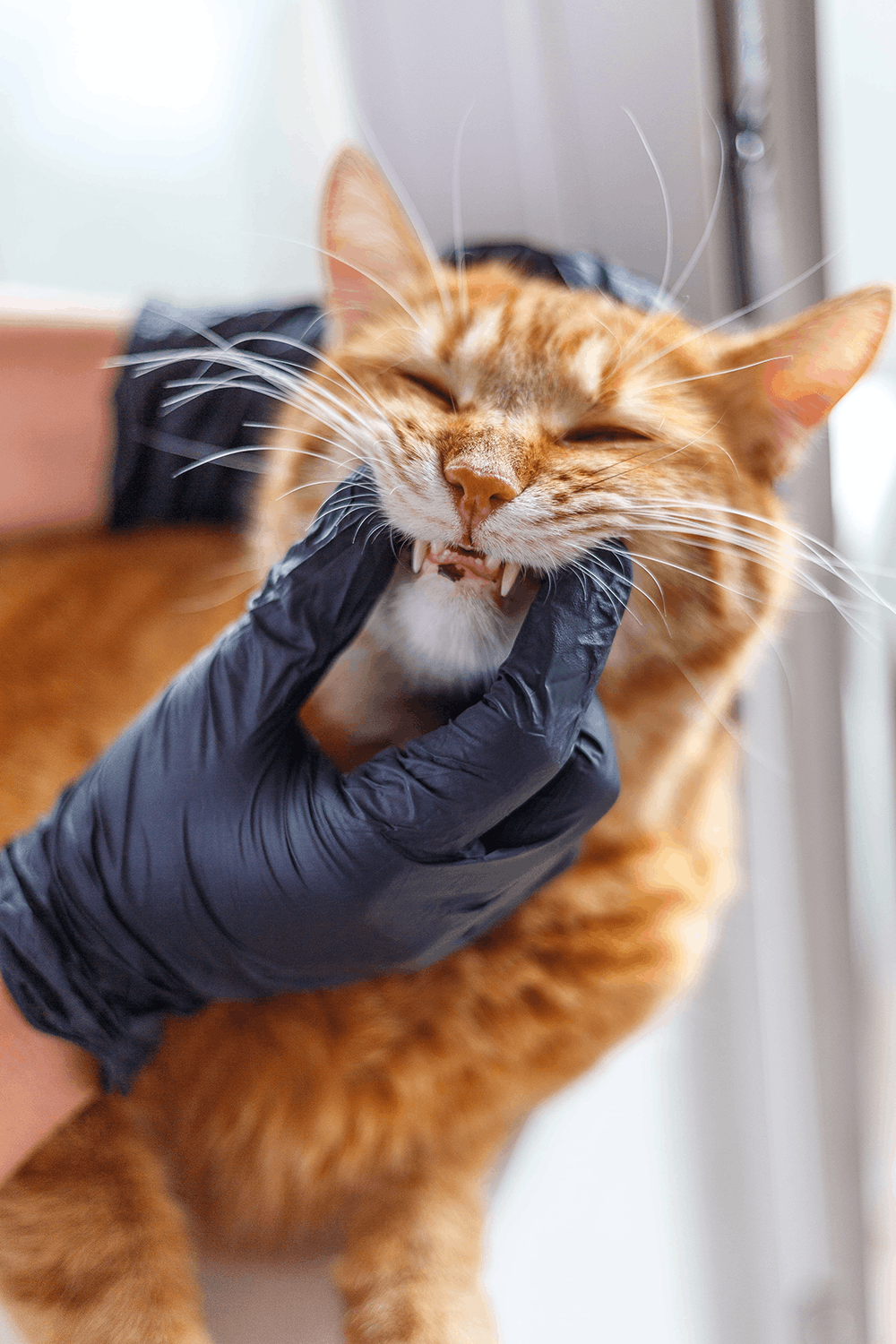
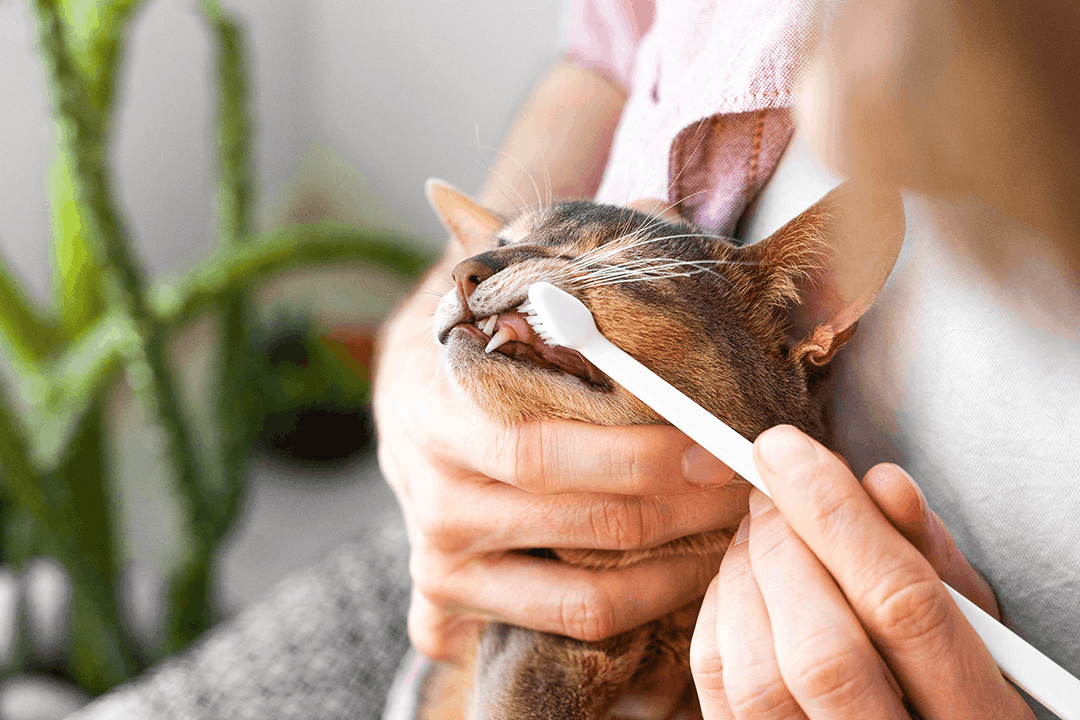
Why Dental X-Rays Matter
A large portion of dental disease happens below the gumline, where it cannot be seen during a routine exam. A tooth may look fairly normal on the surface while the root, bone, or surrounding tissue tells a very different story.
Dental X-rays help us identify problems such as:
- Tooth root abscesses
- Bone loss
- Fractured teeth
- Tooth resorption in cats
- Hidden infection
- Diseased teeth that may be causing pain
Without X-rays, painful dental disease can be missed. With X-rays, we can make better decisions and avoid leaving untreated disease behind.
Will My Pet Need Teeth Removed?
Possibly. While many pet owners feel nervous when they hear the word “extraction,” removing a painful or infected tooth is often the kindest option.
A diseased tooth can cause ongoing pain, infection, and inflammation. Once that tooth is removed and the mouth has healed, many pets feel noticeably better. They may eat with more interest, act brighter, play more, or seem more like themselves again.
Pets usually adapt very well after extractions. Many dogs and cats are able to eat comfortably once they recover, even if multiple teeth are removed.
Can Dental Disease Be Prevented?
Dental disease is progressive, but regular care can slow it down and help prevent more advanced problems. Because pets often hide oral pain, dental care should be part of routine veterinary care, even when everything seems normal at home.
Prevention may include:
- Routine wellness exams
- Professional dental cleanings
- Dental X-rays when recommended
- Tooth brushing, when tolerated
- Dental diets, chews, or oral care products
- Early treatment before disease becomes severe
Your veterinarian will help you choose a realistic home care plan based on your pet’s age, breed, temperament, oral health, and risk factors.

FAQ About Dental Disease in Pets
Yes. Dental disease can cause inflamed gums, infected teeth, tooth root pain, and soreness while chewing. Many pets hide dental pain well, so they may continue eating and acting mostly normal even when their mouth hurts.
Many pets continue eating despite dental discomfort. Some swallow food without chewing much, chew on one side, drop food, or avoid hard treats. A normal appetite does not always mean your pet’s mouth is pain-free.
Yes. Anesthesia allows our team to safely clean above and below the gumline, take dental X-rays, examine each tooth, and treat disease without causing fear or stress. Awake cleanings cannot fully evaluate or treat dental disease below the gumline.
Dental X-rays show what is happening under the gumline, including the tooth roots and surrounding bone. They help us find hidden infection, fractures, bone loss, abscesses, and tooth resorption in cats.
Yes. Extractions are common when teeth are painful, loose, infected, fractured, or too diseased to save. While it can sound intimidating, removing painful teeth often helps pets feel much better after recovery.
The right schedule depends on your pet’s age, breed, dental health, home care routine, and history of dental disease. Some pets need cleanings more often than others. Your veterinarian can recommend a schedule after examining your pet’s teeth and gums.
When to Schedule a Dental Evaluation
If your pet has bad breath, visible tartar, red gums, facial swelling, or changes in eating habits, it may be time for a dental evaluation. And if your cat or dog has already been diagnosed with dental disease, we are here to help you understand the next step.
At PetMed of Key West Veterinary Clinic, we provide professional dental care, dental X-rays, and individualized treatment plans for dogs, cats, and exotic pets in Dubuque, IA.
Call to schedule an appointment today.