
What To Expect If Your Cat or Dog Was Diagnosed with Obesity
Hearing that your pet is overweight or obese can catch you off guard, and it can sting a little, too. Many loving, attentive owners are surprised by this diagnosis, because extra weight comes on slowly and quietly. A treat here, a few extra kibbles there, a little less activity over the years, and it adds up before anyone notices.
Let's be clear about one thing first: a weight diagnosis is not a judgment of you as a pet owner. It's information we use to help your cat or dog feel better, move more comfortably, and live a longer, healthier life.
At PetMed of Key West Veterinary Clinic, we help owners understand what a pet obesity diagnosis means, why it matters, and what a realistic, low-stress plan looks like. We're a locally owned veterinary clinic in Dubuque, IA, and we believe in honest recommendations, clear communication, and care that fits your pet and your life.
Obesity Is a Medical Condition, Not Just "A Few Extra Pounds"
In pets, extra weight is a true medical concern, not a cosmetic one. Because our pets are so much smaller than we are, even a pound or two has a real impact on their health and comfort.
Carrying extra weight puts added stress on the whole body and contributes to:
- Joint pain and arthritis
- Reduced mobility and stamina
- Difficulty breathing
- Increased risk of diabetes
- Heart and blood pressure strain
- Higher anesthetic and surgical risk
- Skin and coat problems
- A shorter, less comfortable life
Here's the encouraging part: obesity is one of the most treatable conditions we see. Small, steady changes lead to real improvements in how your pet feels and moves.
What Happens After Your Pet Is Diagnosed
The goal isn't a crash diet or a quick fix. Rapid weight loss is dangerous for pets, especially cats. We focus on safe, gradual change that your pet can sustain and that you can realistically manage at home.
Your pet's plan includes:
- A target weight and a realistic timeline
- A specific daily feeding amount, measured rather than estimated
- A recommended diet or therapeutic weight-management food
- Clear guidance on treats and "extras"
- A gentle, appropriate activity plan
- Regular weigh-ins to track progress
- Adjustments along the way as your pet responds
We'll be upfront about what to expect and how long it takes. Healthy weight loss is a marathon, not a sprint, and we'll support you through the whole process.
Honest Talk About Food, Treats, and Habits
This is often the hardest part, and we get it. Food is one of the ways we show love, and changing routines can feel like depriving your pet. We won't lecture. We'll help you find small, livable adjustments.
Here's what we look at together:
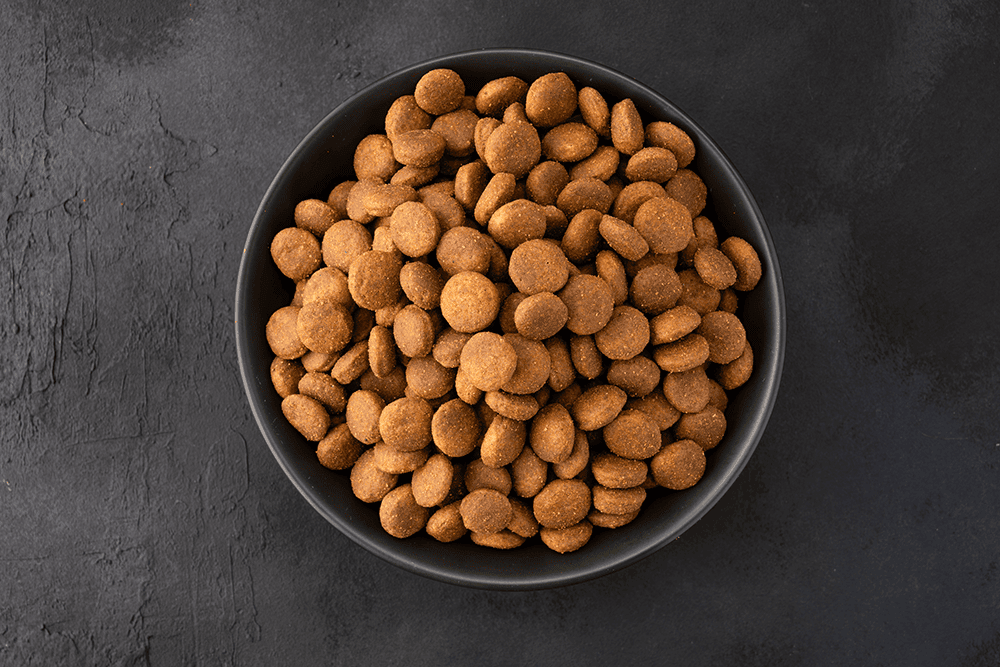
- Free-feeding vs. measured meals
- The real calorie count of daily treats and table scraps
- Multi-pet households where one pet eats another's food
- Food puzzles and slow feeders that make less food feel like more
- Swapping high-calorie treats for healthier options or part of the daily kibble
The goal is a plan you can actually stick to, not a perfect plan that falls apart in a week.
Pet Obesity Is Preventable
Prevention is far easier than reversal. The same habits that help a pet lose weight keep a healthy pet at a healthy weight:
- Measured, portion-controlled meals
- Mindful treat-giving
- Regular, age-appropriate exercise
- Routine wellness exams and weight checks
- Catching small changes early, before they become big ones
At every wellness visit, we check your pet's weight and body condition so we can flag changes long before they become a health problem.
When to Schedule a Weight Consultation
If your pet has been gaining weight, struggles with stairs or jumping, tires easily, or has already been diagnosed with obesity, we're here to help you build a plan that works.
At PetMed of Key West Veterinary Clinic, we provide honest, individualized weight and wellness plans for dogs, cats, and exotic pets in Dubuque, IA, with no shame and no pressure.
Call to schedule an appointment today.
FAQ About Pet Obesity
The best way is a professional body condition assessment. As a general guide, you should be able to feel your pet's ribs without pressing hard and see a visible waist from above. If you're unsure, we'll take a look and give you an honest answer.
No. In pets, even small amounts of excess weight add stress to the joints, heart, and lungs and increase the risk of arthritis and diabetes. Because pets are small, a little extra goes a long way.
Sometimes measuring meals is enough. But cutting too much of a regular food leaves a pet short on nutrients. A therapeutic weight-management diet keeps your pet full and well-nourished while reducing calories. We'll recommend the right approach for your pet.
Slow and steady is the only safe way. Crash dieting is dangerous, especially for cats, who can develop serious liver problems when they lose weight too quickly. We'll set a healthy pace and monitor progress along the way.
Sometimes. Conditions like hypothyroidism contribute to weight gain. If we suspect an underlying cause, we'll recommend bloodwork so we're treating the real issue, not just the symptom.
Regular weigh-ins, often every few weeks to a month early on, help us track progress and adjust the plan. Most of these are quick weight-check visits.