
Top 10 Common Cat Questions Answered by PetMed of Key West
At PetMed of Key West Veterinary Clinic, we know that cat owners are full of questions about their feline friends — from quirky behaviors to health and longevity. Today, we’re answering some of the most common cat questions we hear in the clinic, with expert veterinary insight to help you better understand your pet.
1. How Long Do Cats Live?
The average lifespan for a cat is 12–16 years, but many live well into their late teens and even early twenties with proper care. Indoor cats typically live longer than outdoor cats thanks to fewer risks from disease, predators, and accidents. Routine veterinary checkups, good nutrition, and preventive care are key to a long, healthy life.
2. How Can I Stop My Cat from Scratching Furniture?
Scratching is a natural cat behavior that helps maintain healthy claws and mark territory. To protect your furniture, provide sturdy scratching posts or pads, use cat-safe deterrent sprays, and reward your cat for using approved scratching areas. We do NOT recommend declawing, as it’s a painful surgical procedure that removes part of the toe and can lead to lifelong problems.
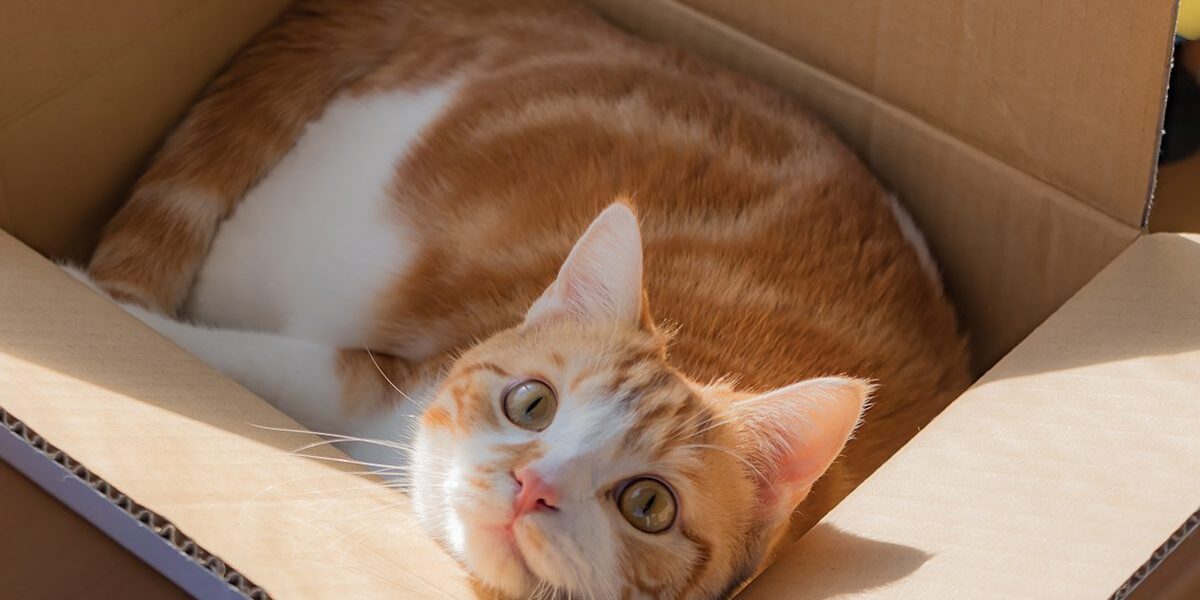
3. Why Do Cats Love Boxes?
Boxes make cats feel safe and secure. The enclosed space offers a cozy hiding spot where they can relax, nap, or observe their surroundings. Cardboard also retains warmth, making it even more appealing.
4. Why Does My Cat Bring Me Dead Things?
Cats are natural hunters, and bringing “gifts” like mice or insects is their way of sharing their success with you — or even trying to teach you how to hunt. While it may seem unpleasant, it’s actually a sign of trust and affection.
5. Why Do Cats Knock Things Off of Tables?
Cats are curious and love to explore objects with their paws. Knocking things down is a way to test an object’s movement, get attention, or simply entertain themselves. Providing interactive toys can help redirect this playful behavior.
6. Why Does My Cat Sleep So Much?
Cats typically sleep 12–16 hours per day, and kittens or senior cats may rest even longer. Sleep helps them conserve energy for hunting (or in domestic cats, play). If your cat’s sleep patterns suddenly change, it’s a good idea to have your veterinarian check for underlying health issues.
7. Why Do Cats Purr?
Purring can signal contentment, but cats also purr when they’re anxious, injured, or unwell — possibly as a self-soothing mechanism. It’s a versatile form of feline communication, so pay attention to body language for clues about the cause.
8. Why Do Cats Meow?
Meowing is primarily a way cats communicate with humans, not with each other. They may meow to greet you, ask for food, request attention, or signal discomfort. Each cat develops their own “vocabulary” with their family.
9. Why Do Cats Knead?
Kneading — pressing their paws into a soft surface — is an instinct from kittenhood, when it helped stimulate milk flow from their mother. Adult cats knead when they’re relaxed, happy, or marking a spot with scent glands in their paws.
10. Is a Slow Blink Really a Sign of Trust in a Cat?
Many cat owners and behaviorists believe that a slow blink is a sign a cat feels safe and relaxed. While there’s no scientific proof, this gesture is often interpreted as friendly, calm body language. You can try slow-blinking back — some cats may respond positively.
Keeping Your Cat Healthy and Happy
Understanding your cat’s behavior is essential to building a strong bond and providing the best care possible. If you notice sudden changes in habits, appetite, or energy, our team at PetMed of Key West is here to help.
📍 PetMed of Key West Veterinary Clinic
2262 Flint Hill Drive, Dubuque, IA 52003
📞 563-583-8387
🌐 dbqpetmed.com