
Feline Immunodeficiency Virus (FIV): What to Know About the Disease—and Why There Is No Vaccine
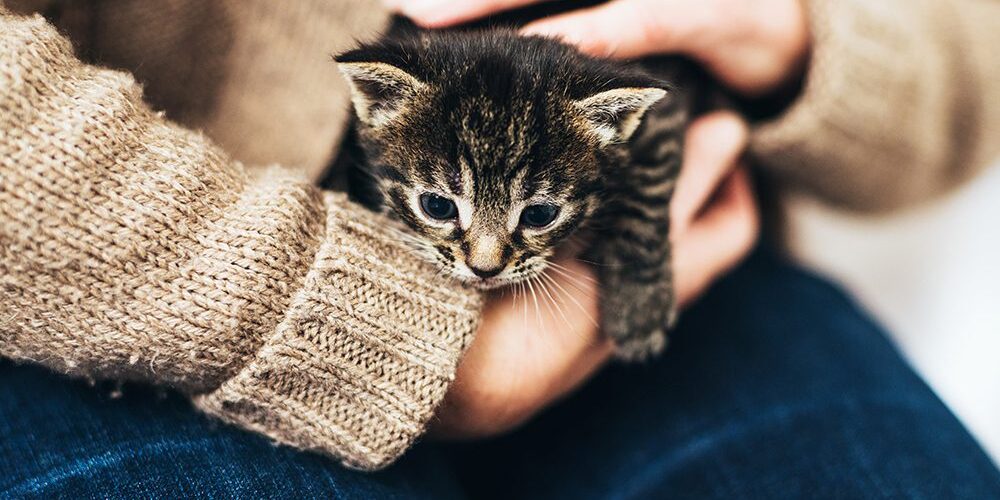
Bringing home a new rescue kitten is exciting—until you hear the words:
“FIV positive.”
Suddenly, the questions start:
Will my other cat get it?
Do they need to be separated?
Is there a vaccine?
At PetMed of Key West Veterinary Clinic in Dubuque, we approach FIV a little differently than many people expect.
There used to be a vaccine.
But today, it is no longer available—and for good reason.
What Is FIV?
Feline immunodeficiency virus (FIV) is a slow-acting virus that affects a cat’s immune system.
Over time, it can make cats more susceptible to:
- Dental disease
- Skin infections
- Chronic illness
- Secondary infections
Because of this, FIV is sometimes compared to HIV in humans.
But here’s the most important takeaway:
Most FIV-positive cats can live long, normal, happy lives—especially when kept indoors and given good routine care.
How FIV Is Spread
FIV is spread almost exclusively through deep bite wounds.
This means:
- Fighting between cats is the primary risk
- Casual contact is not a significant concern
FIV is not typically spread through:
- Sharing food or water bowls
- Grooming
- Litterboxes
- Sleeping near each other
Because of this, many FIV-positive and FIV-negative cats can live together safely in stable, non-aggressive households.
What Happened to the FIV Vaccine?
A vaccine for FIV was available for many years.
However, it is no longer on the market.
There were two major reasons for this:
- Limited Effectiveness
FIV has multiple strains, and the vaccine did not reliably protect against all of them.
Real-world protection was inconsistent.
- It Interfered with Testing
This was the biggest issue.
Cats that received the FIV vaccine would test positive on standard screening tests.
That meant:
- We couldn’t easily tell if a cat was truly infected
- It complicated medical decisions
- It created serious issues for cats entering shelters or new homes
Because of these limitations, the vaccine fell out of favor and is no longer used.
The Best Protection Is Prevention
Because FIV is spread through bite wounds, prevention is straightforward:
- Keep cats indoors
- Neuter male cats to reduce fighting behavior
- Avoid introducing unfamiliar cats too quickly
- Supervise introductions carefully
These steps are far more effective than any vaccine ever was.
What About Cats Who Test Positive?
If your cat tests positive for FIV, it’s understandable to feel worried.
But this is not a death sentence.
Many FIV-positive cats:
- Live normal lifespans
- Show few or no symptoms
- Do well with routine veterinary care
The key difference is how we manage them.
At PetMed, we take a more proactive approach when FIV-positive cats are sick, since their immune system may not respond as strongly.
With good care, these cats can live full, happy lives.
The Bottom Line
FIV is a manageable disease—not something to panic about.
There is currently no vaccine available, and historically, the vaccine that existed had significant limitations.
At PetMed of Key West Veterinary Clinic, we focus on:
- Preventing exposure
- Managing risk appropriately
- Making thoughtful, individualized recommendations
Not every disease is best addressed with a vaccine—and FIV is one of the clearest examples of that.
FIV FAQs
How do cats get FIV?
Primarily through deep bite wounds from infected cats.
Can FIV spread between cats in the same household?
Not typically, as long as there is no fighting.
Do FIV-positive cats need to be isolated?
Usually no. Many can live safely with other cats in stable homes.
Is there a vaccine for FIV?
No. A vaccine previously existed but is no longer available due to limited effectiveness and testing complications.
Can FIV-positive cats live normal lives?
Yes. With good care, many live long, healthy lives.
Local Care You Can Trust
PetMed of Key West Veterinary Clinic proudly serves Dubuque, Asbury, Peosta, Epworth, Dyersville, Farley, and surrounding communities.
If you’ve recently adopted a cat, are introducing a new pet, or have questions about FIV, we’re here to help you make informed, practical decisions for your household.
Written by Dr.Mackenzie Hellert
Updated: 3/30/26