
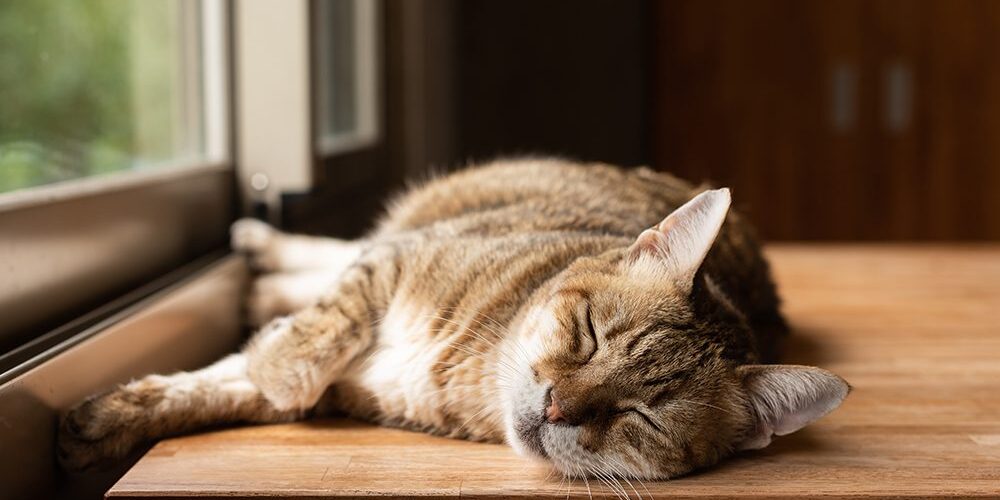
🐱 “But My Cat Never Goes Outside”: Why Indoor Cats Still Need Preventive Veterinary Care
One of the most common things we hear as veterinarians is:
“My cat is strictly indoors — do they really need routine vet care?”
It’s a fair question. Indoor cats are generally safer from traffic, predators, and some infectious diseases. But safer does not mean risk-free, and many of the most common — and serious — feline health problems develop quietly, without obvious warning signs.
At PetMed of Key West, we see firsthand how preventive care makes a meaningful difference in the quality and length of cats’ lives — especially indoor cats.
Indoor Cats Are Masters at Hiding Illness
Cats are biologically wired to hide pain and weakness. In the wild, showing illness makes them vulnerable — and that instinct doesn’t disappear just because they live on a couch.
Many conditions we diagnose in indoor cats begin subtly and progress slowly, including:
- Dental disease
- Kidney disease
- Arthritis and joint pain
- Thyroid disease
- Obesity and metabolic changes
- Early heart disease
By the time outward signs are obvious, disease is often already advanced.
Common Myths About Indoor Cats
❌ “Indoor cats don’t need parasite prevention”
Parasites don’t require your cat to roam outside. Fleas can live indoors year-round, and parasites can be carried inside on shoes, clothing, or other pets. Even brief exposure can be enough.
❌ “If they’re eating and acting normal, they’re fine”
Cats often continue to eat, groom, and use the litter box while underlying disease progresses. Subtle changes — drinking a little more, sleeping differently, grooming less — are easy to miss without routine exams.
❌ “Indoor cats don’t age as fast”
Indoor cats often live longer than outdoor cats, which means age-related disease becomes more likely, not less.
Why Preventive Care Matters for Indoor Cats
Preventive veterinary care is not about finding problems where none exist. It’s about detecting changes early, when intervention is simpler, more effective, and less stressful for everyone involved.
Routine care for indoor cats often includes:
- A thorough physical exam
- Dental and oral health assessment
- Weight and body condition monitoring
- Discussion of behavior, diet, and lifestyle
- Screening tests when appropriate for age and risk factors
These visits also give pet owners space to ask questions — before small concerns turn into major issues.
Dental Disease: The Silent Problem in Indoor Cats
Dental disease is one of the most common conditions we see in cats, including those who never step foot outside. Cats are very good at continuing to eat despite significant oral pain.
Left untreated, dental disease can lead to:
- Chronic pain
- Tooth loss
- Infection
- Systemic inflammation that affects other organs
Routine exams allow us to identify dental issues early, often before they become severe.
Indoor Does Not Mean Low-Maintenance
Indoor cats may appear independent, but they still rely on us to notice what they can’t tell us.
Preventive care isn’t about doing “everything.” It’s about doing what makes sense — based on your cat’s age, health status, and lifestyle.
Our goal is never to pressure. It’s to educate, partner with families, and help cats live longer, more comfortable lives.
A Practical, Cat-Centered Approach to Care
At PetMed of Key West, we take a calm, practical approach to feline medicine. We focus on:
- Clear communication
- Realistic recommendations
- Low-stress handling whenever possible
- Individualized care plans
Whether your cat is young, senior, playful, anxious, or aloof, preventive care helps us support them through every stage of life.
If you’re unsure what your indoor cat actually needs, we’re always happy to talk it through.
Frequently Asked Questions About Indoor Cat Care
Do indoor cats really need to see a veterinarian regularly?
Yes. Indoor cats can develop many health conditions that progress quietly over time. Regular veterinary visits help detect issues early, when treatment is often simpler and more effective.
Can indoor cats get parasites?
Yes. Fleas and other parasites can survive indoors and be brought into the home on clothing, shoes, or other pets. Indoor living reduces risk but does not eliminate it.
What health problems are most common in indoor cats?
Common issues include dental disease, obesity, arthritis, kidney disease, thyroid disease, and behavioral changes related to stress or pain.
How often should an indoor cat have a wellness exam?
Most adult cats benefit from annual wellness exams, while senior cats may benefit from more frequent monitoring depending on their health and risk factors.
My cat seems fine — how would I know if something is wrong?
Cats often hide illness. Subtle changes in behavior, appetite, grooming, or litter box habits may be the only early signs. Routine exams help catch problems before noticeable symptoms appear.
📍 Local Veterinary Care You Can Trust
PetMed of Key West proudly serves Dubuque, Asbury, Peosta, Epworth, Dyersville, Farley, and surrounding communities.